
Bird Guide Isaac Kilusu
Clients: Javier Cotin and Lucho Verdesoto, both from Lindblad Expeditions
eBird Report: https://ebird.org/tripreport/220692
Tour Pace &Style: Tailor-made Birding Tour
Top Ten Birds: Golden-tailed Woodpecker, Ruvu Weaver, Green Malkoha, Fasciated Snake Eagle, Dwarf Bittern, Swallow-tailed Bee-eater, Bohm’s Bee-eater, Reichenow’s Woodpecker, Dickinson’s Kestrel, and Zanzibar Boubou
This was a short, planned birding tour covering Nyerere National Park and the Pugu Hills in southern Tanzania. For passionate birders and wildlife lovers, Tanzania stands out as a delight; the country’s wildlife is spectacular. Visiting Southern Tanzania in April presents stunning scenery with a verdant landscape and lush green, painting a fascinating topography.
Nyerere National Park and Pugu Hills are iconic birding destinations in Southern Tanzania. While the circuit boasts over 450 recorded species, we achieved an exceptional count of 188 birds on this short tour. The birding clients were thrilled, recording 45 lifers and numerous Southern Tanzania specialties on their checklists.
Challenges Encountered
Although we had anticipated a higher number of species, access was limited due to ongoing rains, which rendered most birding loops inaccessible, forcing us to conduct most of our birding from the main roads. We experienced rain on most nights during our stay, which made early morning birding slightly more challenging. The daytime weather was generally good, though overcast, hot, and humid. Tanzania remains a bucket list birding destination for many enthusiasts, boasting an incredible avian richness, including:
Over 800 resident birds, 21 endemic birds, 43 near-endemics
Day 1-April 11th 2024– Nyerere National Park Transfer
The Southern Tanzania birding trip began with an excellent start, picking up clients at Nyerere International Airport at 11:00 am. After lunch, we swiftly boarded the safari jeep and proceeded to Nyerere National Park via the shorter Kisaware road.
Leaving the busy city of Dar es Salaam, we immediately started picking up roadside birds, including the Pin-tailed and Steel-blue Whydahs, Black-chested Snake Eagle, Malachite Kingfisher, and Eastern Golden Weaver. We arrived at Selous Safari Lodge as darkness set in, checked into our lovely rooms, had dinner, and retired early.
Day 2-April 12th 2024– Nyerere National Park
We started at 6:30 AM with breakfast and camp birding, using the open lawns to spot the Böhm’s Bee-eater, Bearded Scrub Robin, and various sunbirds. Transitioning to the drive toward Mloka village, our roadside stops proved very fruitful. We recorded a rich array of species, including the Ruvu Weavers, Green-winged Pytilia, and African Grey Flycatcher, along with the Little Sparrowhawk and Southern Cordonbleu, confirming the excellent avifauna of the area.
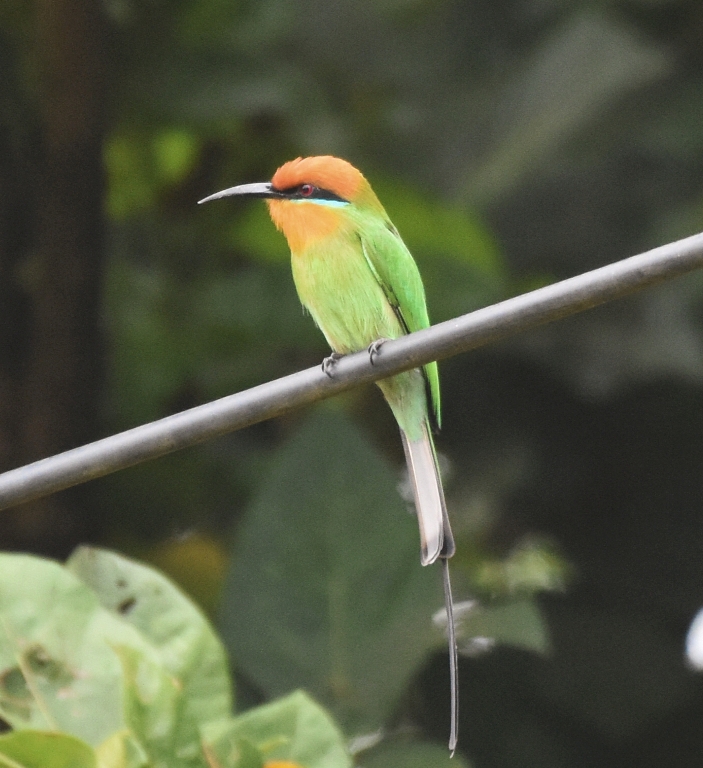
At Mloka village, there were a few Pied Crows, White-winged Widowbirds, Indian House Crows, and House Sparrows. We drove towards Nyerere Park using the Mtemere gate but just before where they were constructing the new entrance gate we stopped and scanned a roadside marsh, there were male Ruvu Weaver literary all over the place displaying, a Crowned Hornbill perched in one of the tall trees, a male Golden-tailed Woodpecker flew in and we had good views of Green Wood Hoopoe and a male Scarlet-chested Sunbird visiting the nearby flowers. Along the way, we saw Black-collared Barbet, Southern-banded Snake Eagle, Zanzibar Boubou, Swallow-tailed Bee-eater, and more Böhm’s Bee-eaters.
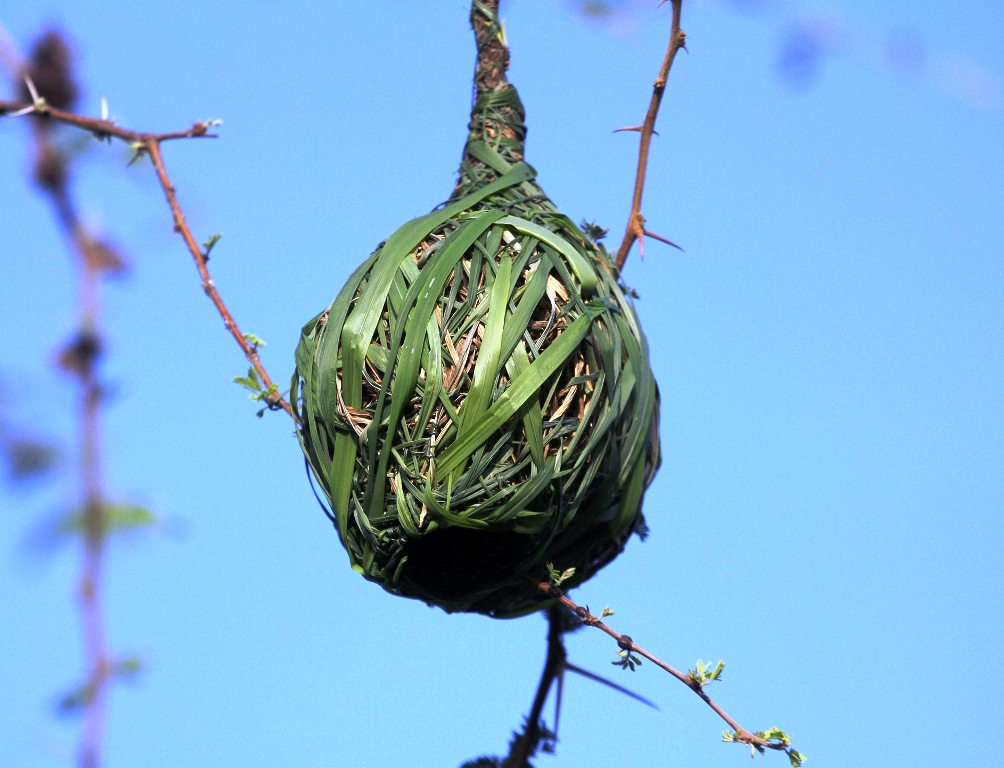
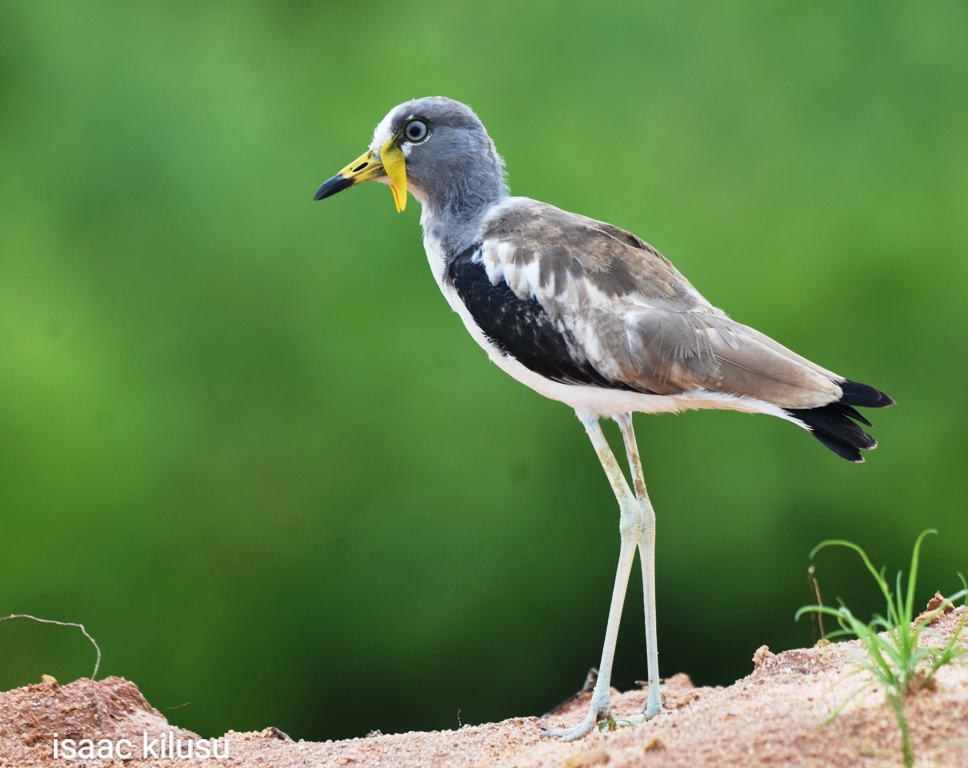
We arrived at the Nyerere National Park Mtemere Gate around 10:30, completed some paperwork, and quickly checked in. Just past the gate, we observed White-crowned Lapwing, Hamerkop, African Pipit, Dwarf Bittern, Emerald-spotted Wood Dove, Egyptian Goose, and African Open-bill. We drove into the park and diverted on Sonongo Loop, which was also very good, Water Thick-knee, Mottled and Böhm’s Spinetail, Reichenow’s Woodpecker, Black, Klaas’s and Dideric Cuckoos, Crested Francolin, Crowned Lapwing, and many more. After we were done birding the Sonongo Circuit, we joined the main road again and drove to the Hippo Pool picnic site, where we had a quick lunch and resumed birding. We saw waterbirds at the pool, and on the big overlook overlooking the water, there were hundreds of Village and Lesser Masked Weavers nesting.
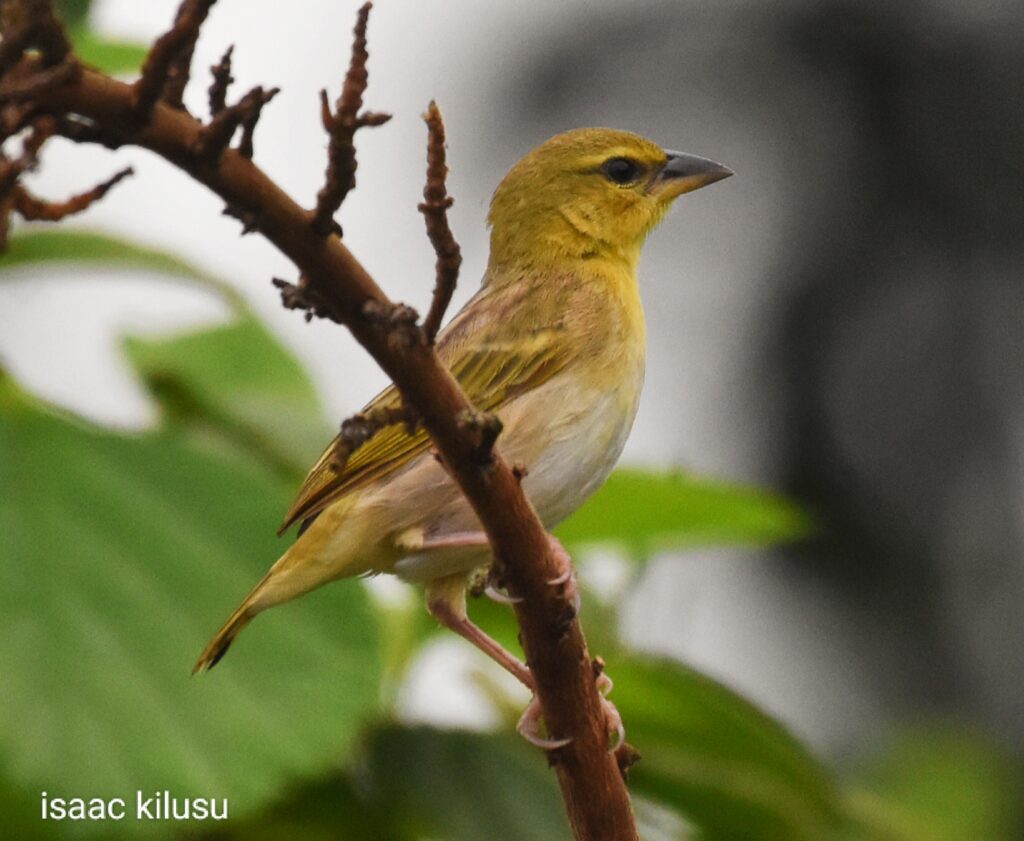
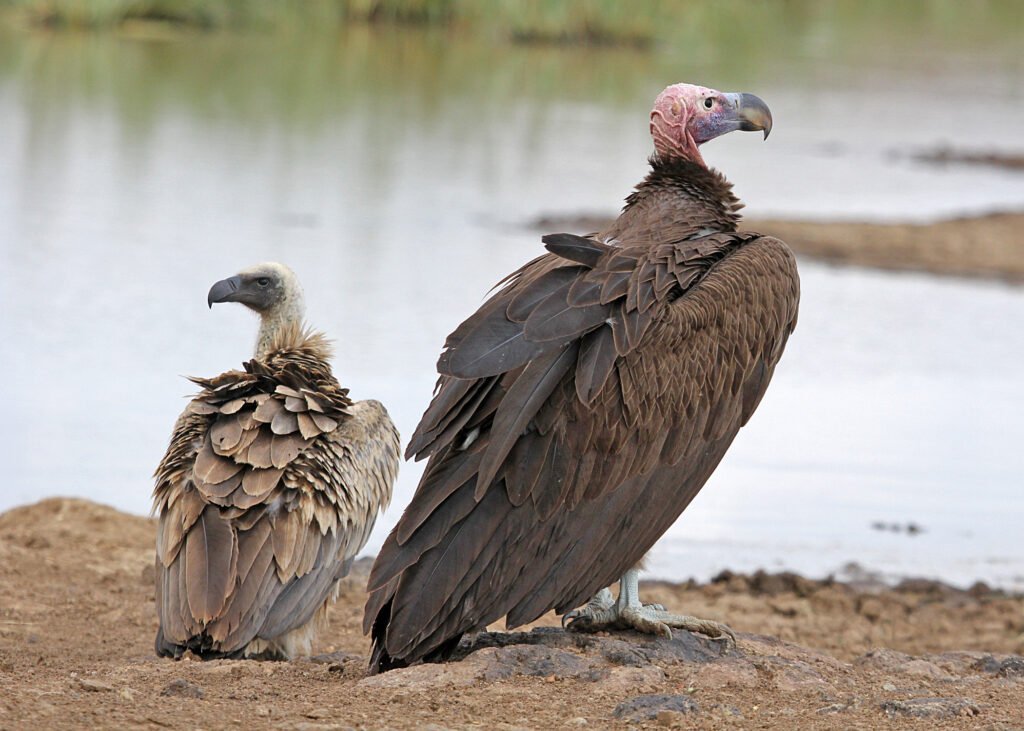
We left the pool and drove even further north, where we picked up birds on the way, such as Bateleur, Eastern Golden Weaver, and Lizard Buzzard, before we encountered a kill on the way, where there were White-headed, Ruppell’s, White-backed, and Lappet-faced Vultures. We made a U-turn and drove back for kilometers before we took another loop, recorded Red-billed Buffalo Weavers, Red-chested Cuckoo, White-throated Bee-eater, and Long-tailed Fiscal.
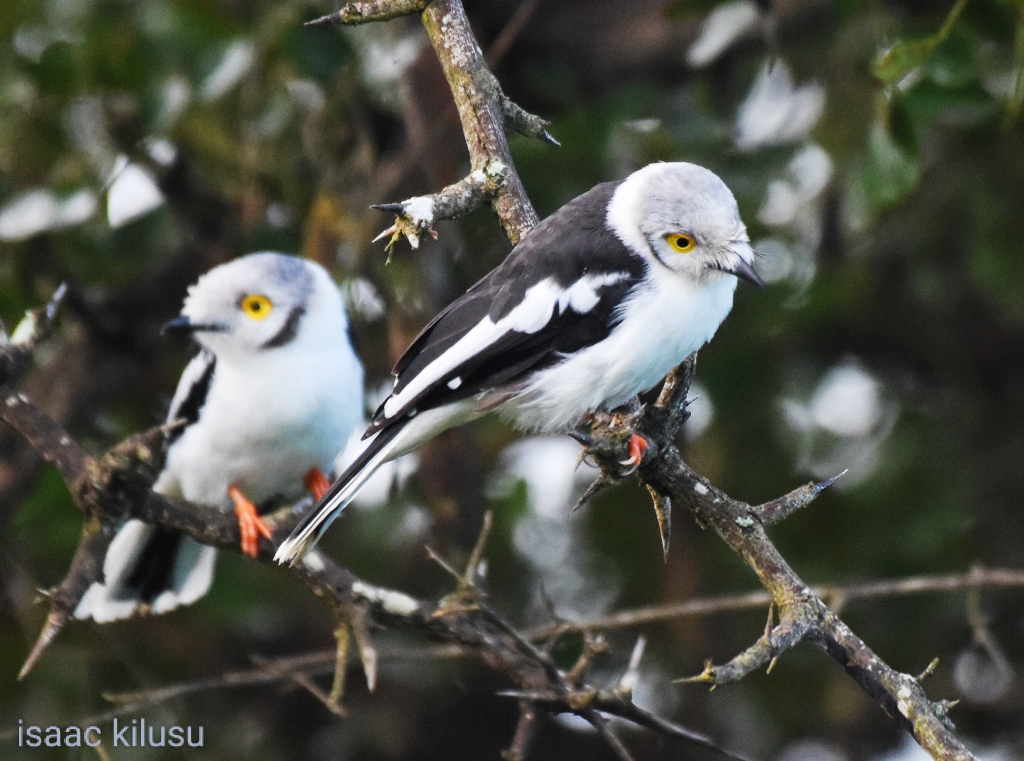
After we managed to change the tires, we drove to the main road towards the gate because it was getting late. On the way, we saw Grey Go- Go-away-bird, Greater Honeyguide, Woodland Kingfisher, Black Cuckooshrike, Chinspot Batis, and Square-tailed Drongo. We checked out at the gate by 6 pm and drove straight to camp. The guests requested an early dinner, which was served, and we all went to bed happily, having had a very productive day full of lifers for our guests
Day 3-April 13th, 2024– Nyerere National Park
With Lucho taking a well-deserved rest due to his demanding schedule, we left camp early at 06:30 hrs and drove toward the main gate. The initial transit involved driving through familiar territory where we only encountered previously seen birds. After check-in, the drive along the main road added several excellent species to our list: the Southern Grey-headed Sparrow, Sombre Greenbul, and Northern Brownbul. Other new sightings included the Retz’s Helmetshrike, Cutthroat Finch, and Eastern Black-headed Batis.
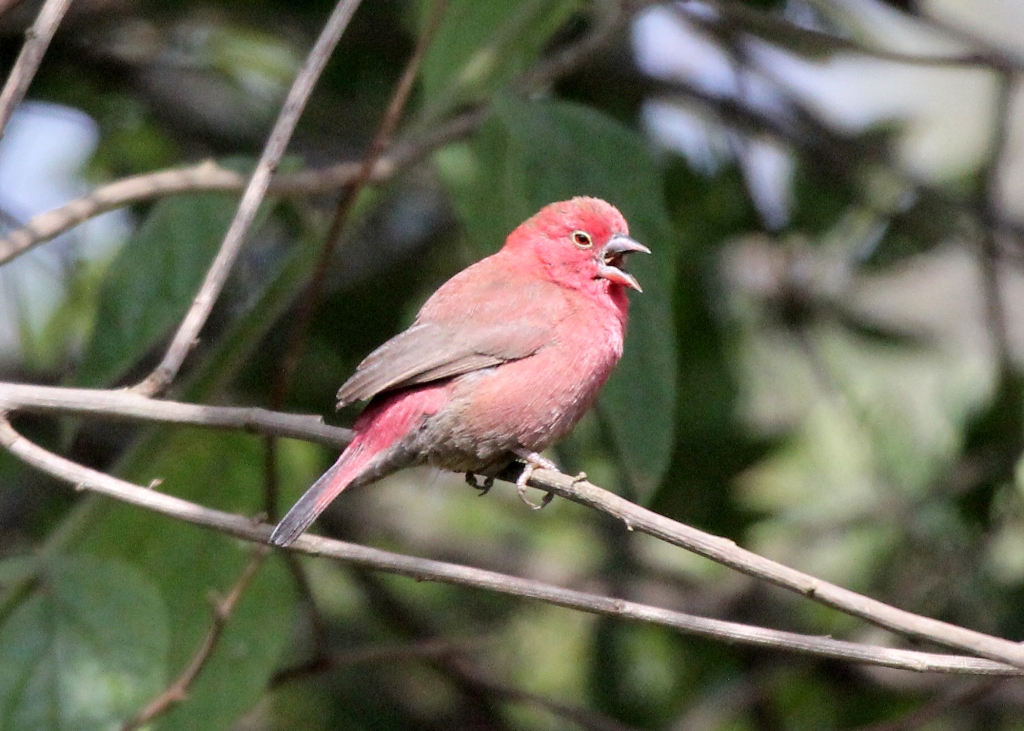
We drove past the hippo pool further north towards Behobeho Hills and just past the second bridge near the sign board towards Roho ya Selous Asilia Camp, there was a flock of Eastern Golden and Ruvu Weavers nesting very close to the road, the Eastern Golden Weavers were nesting on the left side of the road while the very similar Ruvu Weavers were nesting on the right side of the road, we stop for some photographic opportunities and we later drove up towards Mbuyu picking a site and on the way added Coastal Cisticola and Grey-headed Kingfisher. After we had lunch, we drove to the nearby wetland trying to catch up with some waders, but to our surprise, only water birds were seen: Purple, Grey, and Black-headed Heron, Blacksmith and Spur-winged Lapwing, Wood and Common Sandpipers, Yellow-billed Stork, and Pied Kingfishers. We later drove again to the main road and headed back home.
Day 4: April 14th, 2024 – Nyerere National Park: Birding and Boat Safari
With Lucho rejoining the group, we drove straight to the gate to start our morning birding session. We planned to split the day between a half-day birding outing and an afternoon boat safari. Though the morning was slightly quieter with no new species added, we enjoyed excellent views of a pair of Brown–headed Parrots, Southern Ground Hornbill, Coqui Francolin, and Dickinson’s Kestrel. We returned to camp for a hot lunch at 1:00 PM, rested, and then moved towards the Rufiji River at 3:00 PM to meet our driver and begin scanning the river banks from the boat.
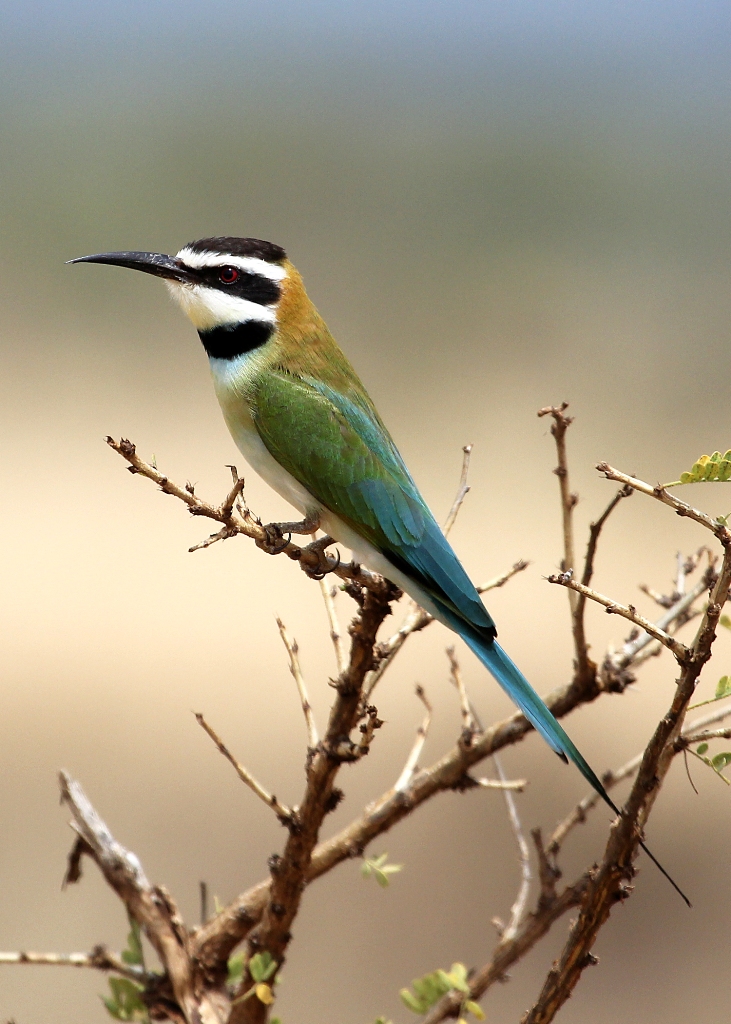
The day offered some top-notch birding and photography opportunities, which we all enjoyed tremendously. Pied kingfishers were all over, and we also saw Giant and Malachite Kingfishers. We headed up north and we had waterbirds such as the Striated Heron, Yellow-billed and African Open-billed Stork, and Little Egret, other birds we saw are the African Fish Eagle, Wire-tailed Swallow, Common Reed Warbler, Silvery-cheeked Hornbill, Collared Palm Thrush, African Harrier Hawk, Broad-billed Roller, European and White-fronted Bee-eaters, Purple- banded Sunbird and Tropical Boubou, we finished the boat ride and in our way towards the car we had Terrestrial Brownbul calling, we went to track them down and we had good views of 4 birds foraging in leaf litters.
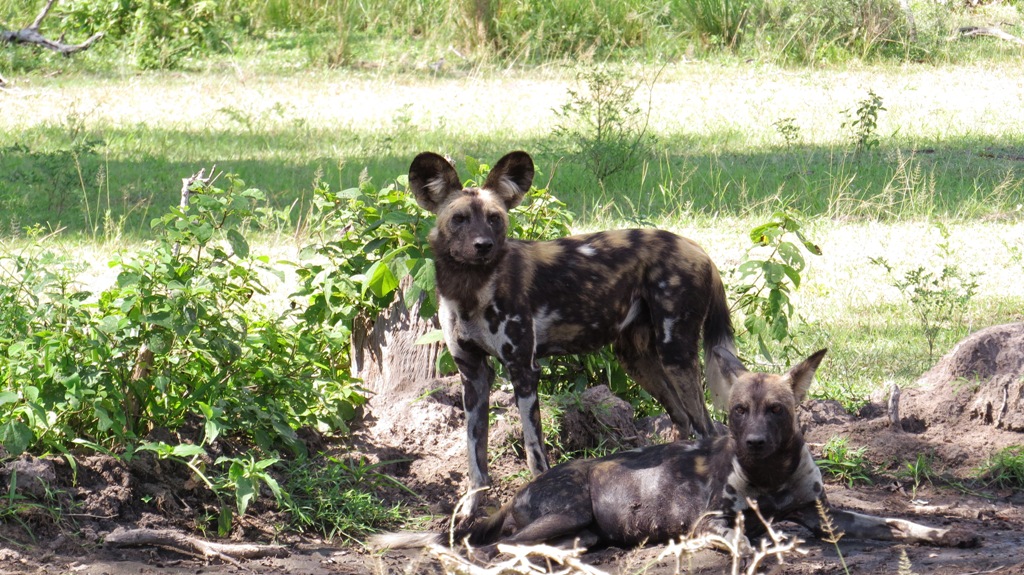
After an excellent birding, we retired to our comfortable lodge and enjoyed a sumptuous meal as we chatted about our day and the exciting day ahead.
Day 5: April 15th, 2024 – Nyerere to Pugu Hills & Dar es Salaam
Following an early breakfast, we drove straight toward Dar es Salaam, logging the Woolly-necked Stork and Yellow Bishop on the journey. We arrived at the Pugu Hills office around 11:00 AM, paid the entrance fees, and immediately began our walk. Despite the initially low birding activity, we headed to the main trail. Our primary target, the Gorgeous Bushshrike, was heard calling several times, but despite playback efforts, it remained elusive. However, the main loop and subsequent deviation onto several feeder trails proved highly successful, yielding several sought-after species:
- Pugu Specialties: We successfully sighted the Lowland Tiny Greenbul, Kretchmer’s Longbill, East Coast Akalat, and Red-throated Twinspot.
- Other Highlights: We also recorded the Forest Weaver, Green Malkoha, Eastern Nicator, Livingstone’s Turaco, Trumpeter Hornbill, and Black-throated Wattle-eye.
Concluding our Pugu Hills exploration, we packed our belongings and took a taxi to the Slip Way Hotel in Dar es Salaam, where the guests were settled for the night.
Discover the Best of Tanzania Birding with ConQuest Adventures