
- Home
- Our Story
- Safaris & Excursions
- Birding Tours-Kenya & Beyond!
- Wildlife Safaris
- Photography Tours
- Guides
- Gallery
- News
- Contact Us
Experience the best of Africa on an 8-day small group birdwatching and wildlife safari to Northern Tanzania. Known as one of the continent’s finest destinations, this circuit perfectly combines classic game viewing with outstanding birdlife, taking you across the region’s breathtaking diversity of savannas, wetlands, and volcanic highlands.

Within this magnificent country, the Northern Tanzania Circuit is the pinnacle of diversity. As a splendid photo safari destination, Tanzania boasts over 1,000 bird species, many of which are easy-to-photograph open-country birds. This Northern Tanzania birding and wildlife safari is an action-packed journey, filled with wonderful experiences from start to finish.

This renowned safari takes you deep into some of the world’s most iconic natural treasures, covering Engikaret Plains, Arusha National Park, Tarangire National Park, the vast Serengeti National Park, Lake Manyara, and the legendary Ngorongoro Crater. These world-famous birding destinations together offer a spectacular blend of unrivaled wildlife encounters and extraordinary birdlife, providing some of the best safari opportunities in all of Africa.
Mammal Spectacle: This tour is considered one of the greatest mammal-watching adventures on the planet. You can expect to witness the awe-inspiring wildlife that has made the region famous.
The Calving Season: Between January and April, the southeastern Serengeti comes alive with the wildebeest and zebra migration. Thousands of hooves thunder across the short-grass plains in a truly breathtaking natural spectacle.
The safari promises extraordinary birdwatching, featuring a dazzling variety of species. Look for endemics, East African specialties, dazzling migrants, and raptors soaring high overhead.
Tanzania stands as one of Africa’s most exciting safari destinations due to its unique geographical blend of sweeping savannas, volcanic highlands, and lush wetlands.

Black Rhino
Tanzania is a fascinating and bird-rich African country. The country has diverse habitats, a marvelous and extensive park, and reserves. Marvel at the best Tanzania has to offer in the top birding and wildlife parks, either in a small group or on a private guided safari. You will have the chance to see colorful rollers, bee-eaters, sunbirds, bishops, widowbirds, raptors, francolins, flycatchers, weavers, bustards, falcons, whydahs, waxbills, and lovebirds.
 Hartlaub’s Turaco
Tour Concerns
Birding
The Northern Tanzania birding and wildlife safari shall begin early in the morning, usually with breakfast before dawn. Days will usually start at first light to catch activity in the morning, before the day warms up and activity slows down.
Food
Breakfast is generally buffet style with hot and cold choices, and also fresh fruit and juice. Lunches are usually picnic or boxed lunches that we eat in the field. Dinners will be a mix of buffets and served or plated meals with a variety of choices. Drinking water is available throughout the day.
Driving
Most of the day will be spent in the Safari Jeep viewing delightful wildlife and birds in Tanzania. The vehicles are converted Toyota Land Cruisers, specifically made for safaris, in which the roof pops up, and big windows allow you to stand up fully and take unimpeded photos or view the wildlife. Tanzanian roads are generally good. Travel inside the parks will be on well-graded gravel roads, but may be bumpy in some sections.
Walking
There will be some early morning walks around the lodge compounds. Furthermore, there will be one upward walk of roughly an hour. Sturdy but comfortable walking shoes or light boots with jagged and ridged soles are recommended.

Accommodation
The Northern Tanzania birding and wildlife safari clients shall stay in good-quality accommodations, often in excellent birding localities. Some accommodations may be ‘tented camps’, which are very pleasant walled tents with proper beds and private bathrooms.
Climate
Tanzania is a diverse country, and we shall visit montane forests, huge grasslands, arid plains, and expansive wetlands. Short heavy rainfalls can happen at any time. The sun can be intense, so sunscreen and a brimmed hat are advised. Wet weather protection is recommended with light waterproof pants and a jacket.
Power outlets in Tanzania are type G most often or type D (230V/50Hz). Wi-Fi is offered at most lodgings, but is subject to disruption at times.
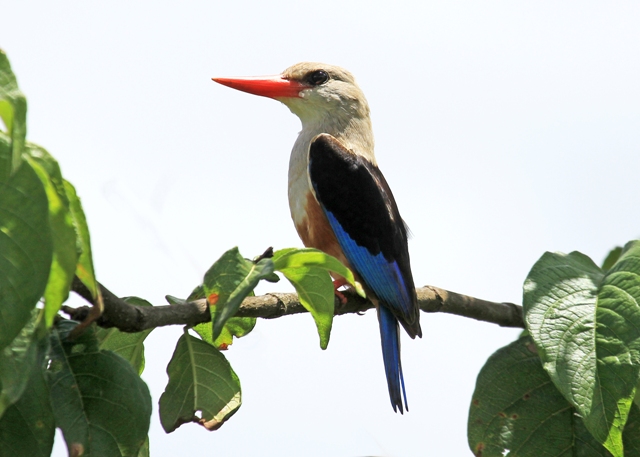
Day 1: Arusha to Engikaret Plains (Home of Beesley’s Lark)
Your adventure begins with a pickup from Arusha Airport, followed by a transfer to the Engikaret Plains. These dry-country plains, located just north of Arusha, are famed as the endemic habitat of the elusive Beesley’s Lark. Prepare to explore the rich avifauna of this unique area.

These dry plains attract a large array of specialist dry country birds, so we’ll be very busy doing lots of birding while walking. The Engikaret or Larks Plains are typically dry throughout the year, but experience heavy downpours from March to May, allowing vegetation to quickly flourish and, in turn, attract much amazing birdlife. The plains are on the leeward side of Ol Donyo Sambu Mountain and extend to the foot of Mount Kilimanjaro. Notable birds in Engikaret Lark Plains: Taita Fiscal, Somali Short-toed Lark, Short-tailed Lark, Foxy Lark, Red-capped Lark, Long-billed Pipit, Pangani Longclaw, Alpine Swift, Southern Grosbeak Canary, Temminck’s Courser, Red-fronted Warbler, Pygmy Falcon, Red-throated Tit, African Bare-eyed Thrush, and Golden-tailed Woodpecker

Day 2: Full Day Birding in Arusha National Park
We dedicate the entire day to birdwatching in Arusha National Park. Though small by Tanzanian standards, the park is incredibly diverse, encompassing and surrounding Mount Meru. We will spend significant time exploring the forested areas, a key difference from the open savanna habitats we will focus on later in the safari. Exploring the various biotopes within this montane park offers a perfect introduction to the exceptional biodiversity of Equatorial East Africa.

Common Birds in Arusha National Park: Southern Pochard, Hartlaub’s Turaco, Black-chested Snake Eagle, Narina Trogon, Mountain Buzzard, Brown-hooded Kingfisher, Black-fronted Bushshrike, White-necked Raven, Moustached Grass Warbler, Striped-cheeked Greenbul, Kilimanjaro White-eye, Waller’s Starling, Abbott’s Starling, Maccoa Duck, Martial Eagle, White-eared Barbet, Trilling Cisticola, Taveta Golden Weaver, Ashy Flycatcher and Mottled Spinetail
Our Northern Tanzania safari officially starts early today. We’ll first drive through Arusha National Park for any last-minute birding opportunities before proceeding to Tarangire National Park for a full day of exploration. Tarangire is a striking and unique park, characterized by its gigantic baobab and acacia trees and sparse vegetation. It is famed for hosting one of the highest population densities of elephants in the world, especially during the dry season when they congregate in huge numbers along the life-giving Tarangire River.
We shall explore the thickets and baobab park to search for species such as the Ashy Starling, Yellow-collared Lovebird, Saddle-billed Stork, Red-bellied Parrot, Magpie Shrike, Rufous-tailed Weaver, White-necked Raven, Double-banded Courser, Croaking Cisticola, Swahili Sparrow, Buff-crested Bustard, Flappet Lark, Marsh Owl, Black Bishop, Dwarf Bittern and Banded Parisoma.

Day 4: Karatu, via Ngorongoro Crater, to Serengeti National Park
Today, our Northern Tanzania safari heads to the legendary Serengeti National Park, driving through the scenic Ngorongoro Conservation Area. We will make a 20-minute stop at the magnificent Ngorongoro Crater rim viewpoint (if visibility allows) to soak in the stunning views below. This area is excellent for montane birding, with potential sightings of Augur Buzzard, Schalow’s Turaco, Crowned Eagle, and the Mbulu White-eye.
We arrive at Naabi Hill Gate in the afternoon for a picnic lunch. Enjoy a short walk atop the nearby kopje for expansive views of the vast plains, where you might spot the vibrant Mwanza Flat-headed Rock Agama. After checking in, we’ll begin our slow game drive into the central Serengeti, watching for a wide array of wildlife, including prides of lions on the kopjes, herds of elephants, cheetahs, and the Kori Bustard. We will retire for the night at a small, permanent facility in the heart of the central Serengeti.
Notable Birds we may encounter: Brubru, Rufous-tailed Weaver, Capped Wheatear, Lappet-faced Vulture, Yellow-bellied Eremomela, Southern Red Bishop, Chestnut-bellied Sandgrouse, Abdim’s Stork, Greater Kestrel, White-headed Vulture, Sombre Nightjar, African Cuckoo, Abyssinian Scimitarbill, Temminck’s Courser, Pectoral-patch Cisticola, Steel-blue Whydah, Blue-headed Coucal, Rosy-throated Longclaw, and Hartlaub’s Bustard, Karamoja Apalis.

Day 5: Exploring the Central Serengeti
Today is dedicated to exploring the Central Serengeti, the reserve’s most popular region, famous for its abundant wildlife, high numbers of big cats, and classic acacia-studded savanna landscapes. Guests have the flexibility to choose between a full day in the bush with a picnic lunch or shorter birding and wildlife excursions, returning to the camp’s tranquility. Birdwatching here is highly fruitful year-round. For the ultimate view, a thrilling hot air balloon safari is available at an additional cost.

Day 6: Transit and Arrival at Ngorongoro Crater
We start the day with an early breakfast before embarking on the long but rewarding drive from the Serengeti to the Ngorongoro Crater. This transit is treated as a final extended game drive, allowing us to continue birding and wildlife viewing across the plains. Lunch will be served at a picturesque picnic site along the way. Our accommodation for the night is uniquely located atop the Crater rim, offering breathtaking views.

Day 7: Full Day in the Ngorongoro Crater
Today, we descend into the Ngorongoro Crater, justifiably one of Africa’s most famous safari destinations. The crater, which is the world’s largest intact caldera (approximately 19 km wide and 600m deep), is a nature-lover’s paradise. We will spend the full day exploring the plains, marshes, and shorelines of the saline lakes, which teem with immense numbers of wildlife. The crater floor is home to a healthy population of the rare Black Rhino, alongside resident lion, leopard, wildebeest, impalas, Grant’s gazelle, and the Golden Wolf. Note that activities are limited to game drives, with a couple of designated picnic spots for stretching your legs.

Day 8: Lake Manyara National Park and Departure
Following an early breakfast, we depart for Lake Manyara National Park. This compact park (330 sq. km, including 230 sq. km of lake) is famed for its tree-climbing lions and hosts leopards in its forests and hills. You will have a chance to explore the Lake Manyara tree-top walkway for a unique perspective on wildlife and magnificent bird species below. After a final picnic lunch, we will drive to Kilimanjaro International Airport (JRO) for your flight home, concluding our 8-day Northern Tanzania safari filled with evocative, ceaseless memories.

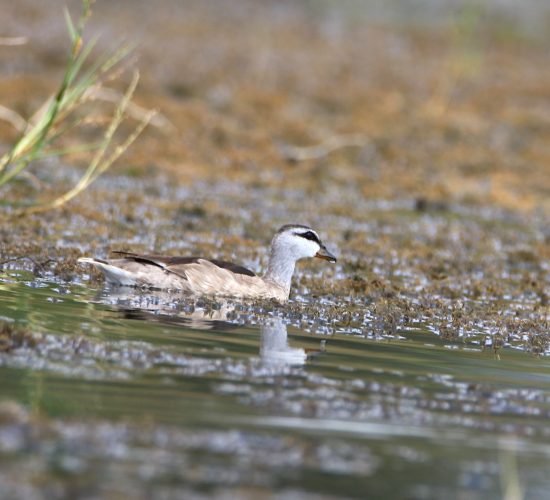
The 3-day birding tour in Amboseli National Park explores a variety of habitats within a rich and exceptionally promising biosphere. Amboseli National Park is one of the best places in Africa to view large herds of savannah elephants, all framed by superb, unobstructed views of Mount Kilimanjaro, Africa’s highest peak.
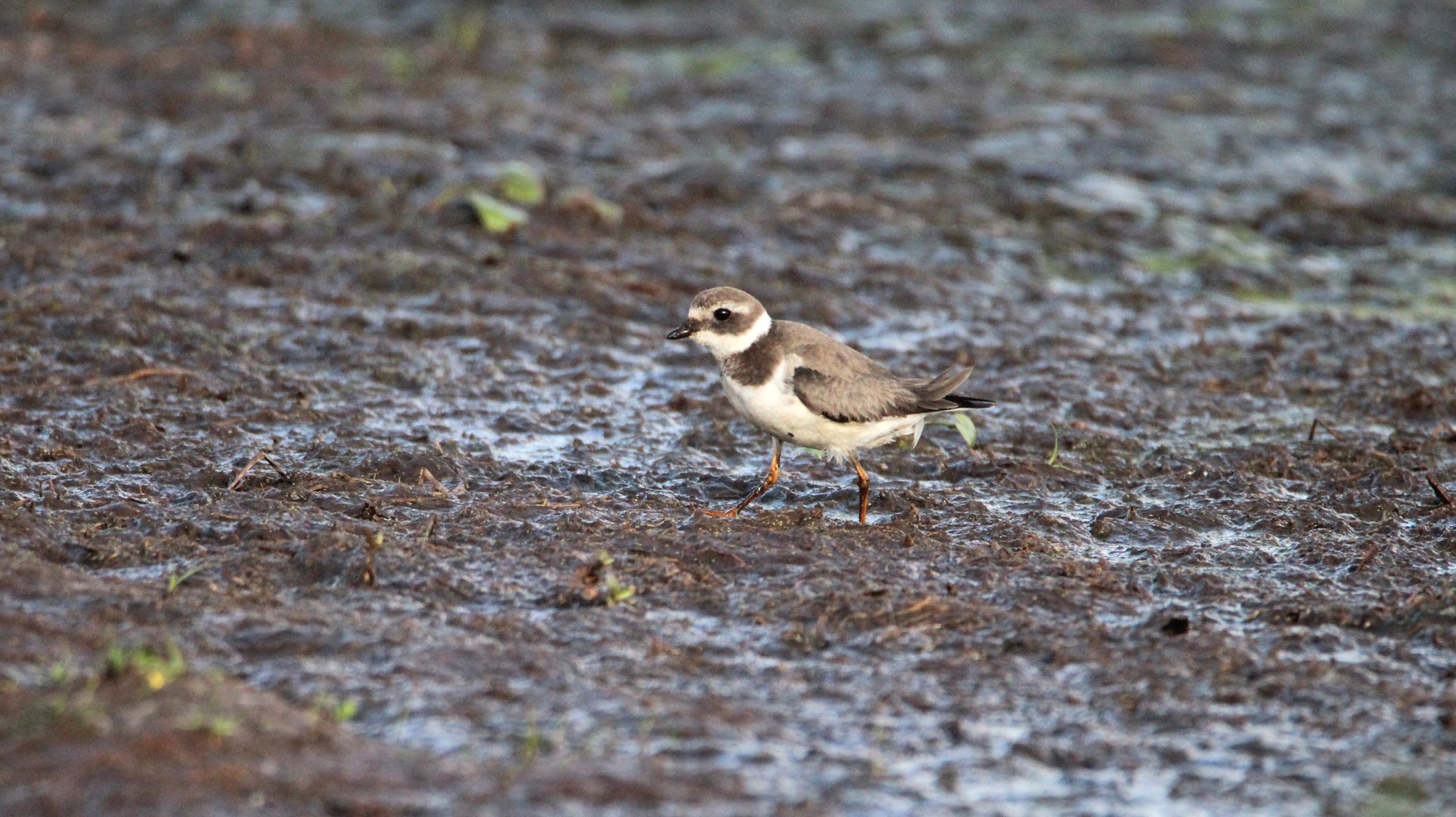
Amboseli National Park offers some of East Africa’s most iconic scenery, where arid lakebeds and golden savannas contrast sharply with lush, spring-fed wetlands. This remarkable ecological diversity makes the park a premier destination for world-class birdwatching and close-up wildlife encounters—all set against the majestic backdrop of Mount Kilimanjaro.
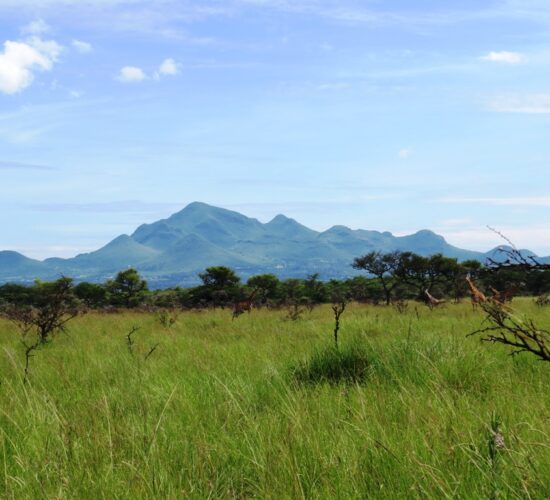
Ruma National Park is a hidden birding gem for nature lovers, birdwatchers, photographers, and wildlife enthusiasts, offering a rich diversity of species and some of Kenya’s most picturesque scenery. This delightful birding hotspot boasts a sensational mix of habitats, making it one of the country’s finest birding destinations. It is the best place to spot the rare Montane Blue Swallow and the iconic Roan Antelope, alongside a wide variety of other species in Kenya. Thanks to its mild climate and natural landscapes, birdwatching in Ruma is productive throughout the year. For an even more rewarding experience, an adventure to Ruma National Park can be successfully combined with nearby birding treasures such as Lake Victoria, Busia Grasslands, Mount Elgon, Kongelai Escarpment, and Kakamega Forest, forming part of Kenya’s western birding circuit.
