
- Home
- Our Story
- Safaris & Excursions
- Birding Tours-Kenya & Beyond!
- Wildlife Safaris
- Photography Tours
- Guides
- Gallery
- News
- Contact Us
Discover a bird-rich forest just six kilometers from Nairobi’s heart. The Ngong Road Forest Sanctuary is a vital green lung for the city and a prime birding hotspot. From its dappled canopy to its quiet trails, this forest is a treasure trove for birders looking to spot elusive woodland specialists without leaving the capital. Ngong Road forest is 1224 hectares, with two seasonal rivers, Mutuini and Ruara. The forest used to be a large continuous one, starting all the way from Nairobi National Park to Ngong Hills.
The construction of the southern bypass has segmented the forest into five sections. Ngong Road Forest is in a unique position between the grasslands to the east and south and the cultivated lands to the north and west.
Ngong Road Forest Birds
The forest is not a highland or lowland, but in between. The soil in Nairobi is not very deep, and the rainfall is not very high, so trees don’t grow as big as they do in the tropical forest. Birding in the Ngong forest is done on foot, walking along well-kept nature trails that adorn the beautiful forestland.
Nevertheless, this forest has many diverse species of trees and birds, and it’s easy to walk through because there is not much undergrowth. A pair of African Crowned Eagle has nested and bred in the forest for several years, in the same tree and nest. Suni, the smallest antelope, is seen feeding on the undergrowth. Other mammals in the forest include duikers, bushbucks, and the olive baboons. The birds of Ngong Forest Sanctuary include bird characteristics of the indigenous dry evergreen forest of Nairobi, birds of the surrounding grasslands and gardens, and water birds.
African, Grey, Mountain &Yellow Wagtail, Grassland & Tree Pipits, Yellow-throated Longclaw Slender-billed Greenbul, Cabanis’s and yellow-bellied Greenbul, Common Bulbul, White-starred Robin, Cape & Ruppell’s Robin-Chats, Brown-backed Scrub-Robin, Common Stonechat, Northern & Pied Wheatear, Olive Thrush, Yellow-whiskered Greenbul, Crimson-rumped Waxbill, African Fish Eagle, White-headed Barbet, Grosbeak Weaver, Singing Cisticola, Augur Buzzard, African Citril. Eastern Bronze-naped Pigeons are seen in flocks during the cold season. Golden-tailed Woodpecker, a species seen in the southern part of Kenya, has been sighted in the Ngong Road forest. Butterflies also occur in large numbers, especially after the rains.
Yellow-bellied Greenbul and Pennant-winged Nightjar have also been recorded in the forest.
Day birdwatching tours or nature walks in Ngong Road forest are recommended for everyone. They range from 1- 3 hours. But for a birdwatching tour, it may take longer depending on your interests.
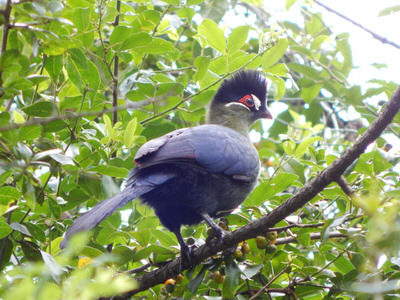
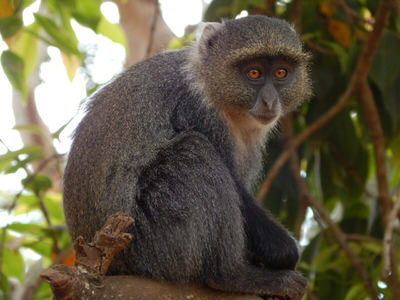
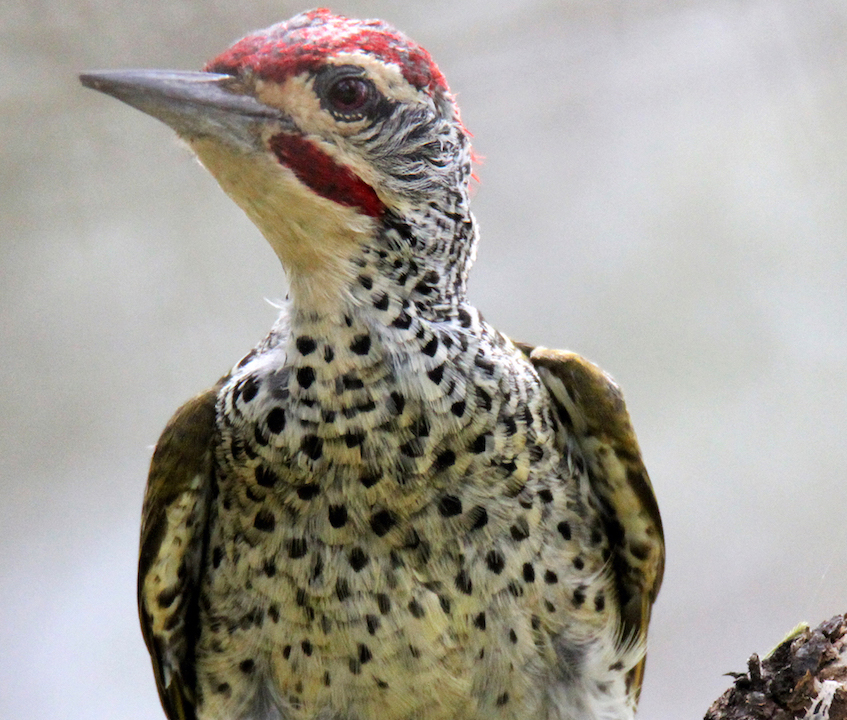
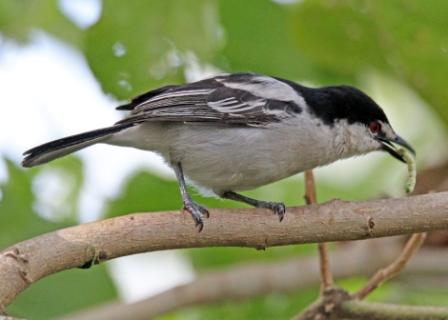
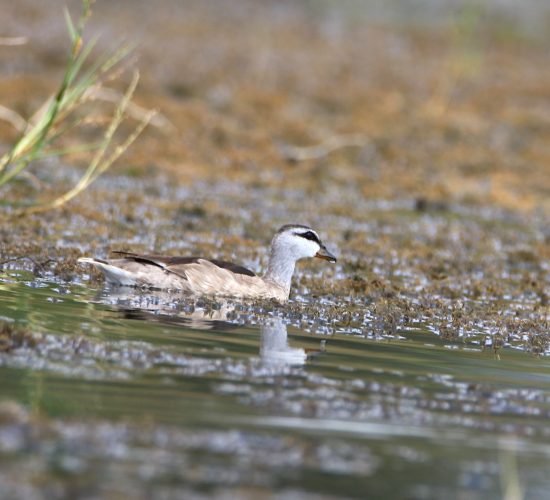
The 3-day birding tour in Amboseli National Park explores a variety of habitats within a rich and exceptionally promising biosphere. Amboseli National Park is one of the best places in Africa to view large herds of savannah elephants, all framed by superb, unobstructed views of Mount Kilimanjaro, Africa’s highest peak.
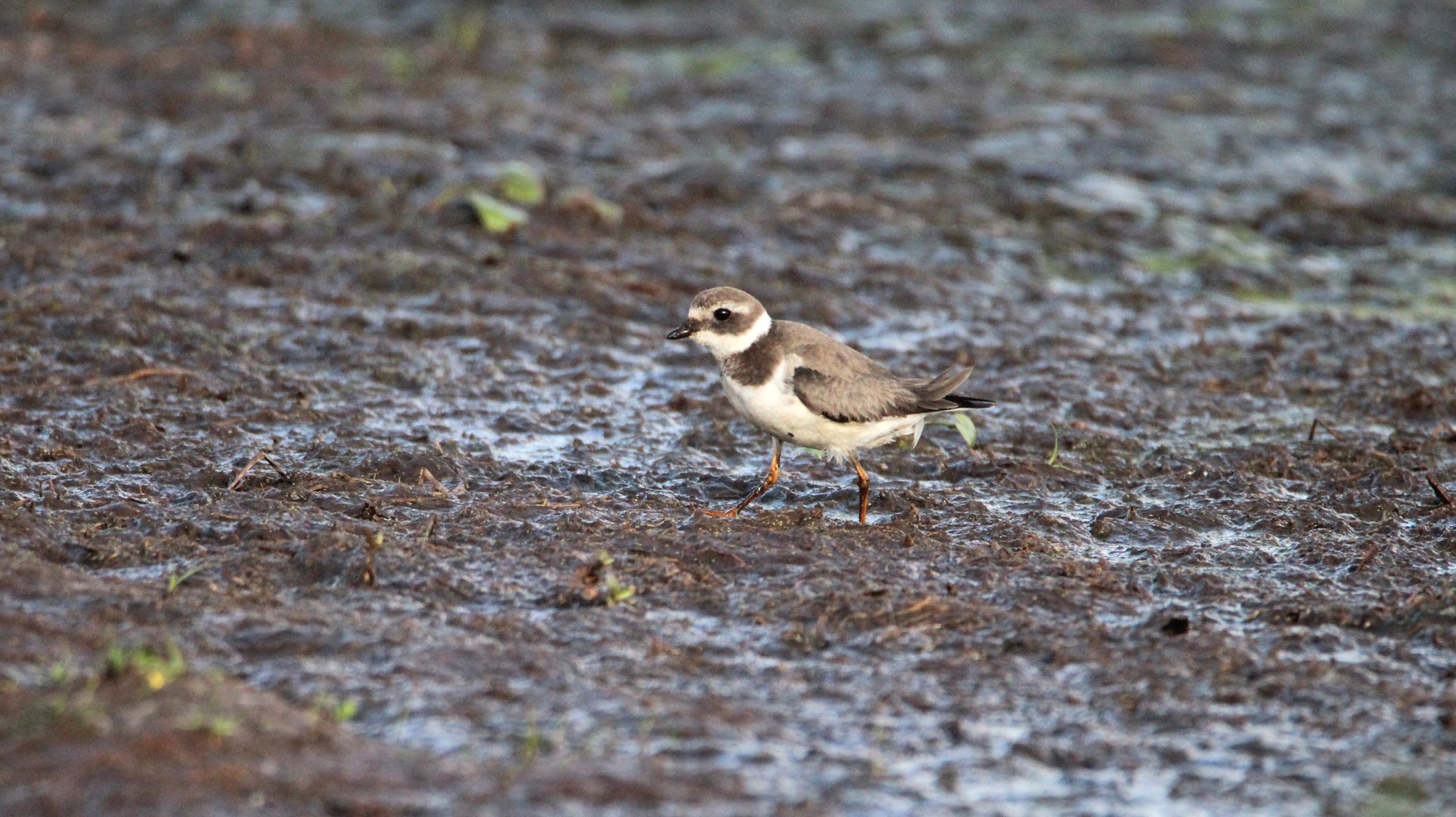
Amboseli National Park offers some of East Africa’s most iconic scenery, where arid lakebeds and golden savannas contrast sharply with lush, spring-fed wetlands. This remarkable ecological diversity makes the park a premier destination for world-class birdwatching and close-up wildlife encounters—all set against the majestic backdrop of Mount Kilimanjaro.
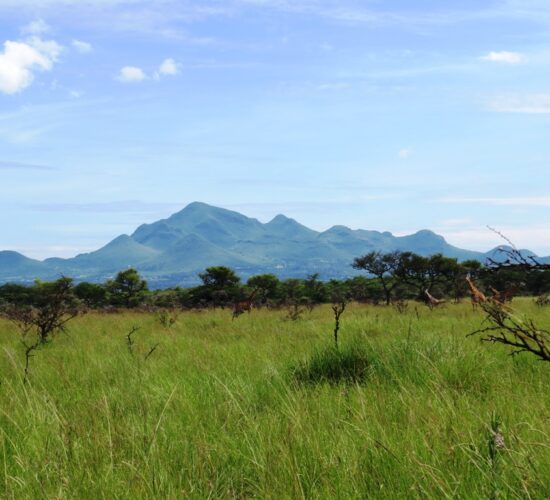
Ruma National Park is a hidden birding gem for nature lovers, birdwatchers, photographers, and wildlife enthusiasts, offering a rich diversity of species and some of Kenya’s most picturesque scenery. This delightful birding hotspot boasts a sensational mix of habitats, making it one of the country’s finest birding destinations. It is the best place to spot the rare Montane Blue Swallow and the iconic Roan Antelope, alongside a wide variety of other species in Kenya. Thanks to its mild climate and natural landscapes, birdwatching in Ruma is productive throughout the year. For an even more rewarding experience, an adventure to Ruma National Park can be successfully combined with nearby birding treasures such as Lake Victoria, Busia Grasslands, Mount Elgon, Kongelai Escarpment, and Kakamega Forest, forming part of Kenya’s western birding circuit.
