
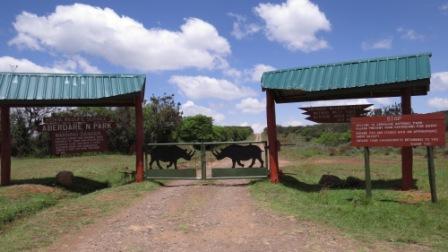
Aberdare National Park
The Aberdare ranges are among Kenya’s most enchanting natural treasures, offering breathtaking ecosystems that host incredible biodiversity. With rolling hills, cascading waterfalls, lush montane forests, and high moorlands, the park is both a premier birding destination and a sanctuary for rare wildlife.

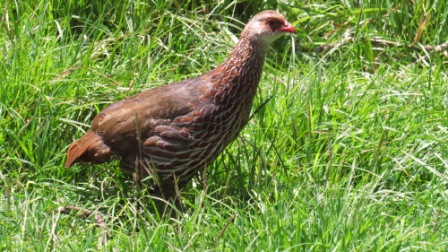
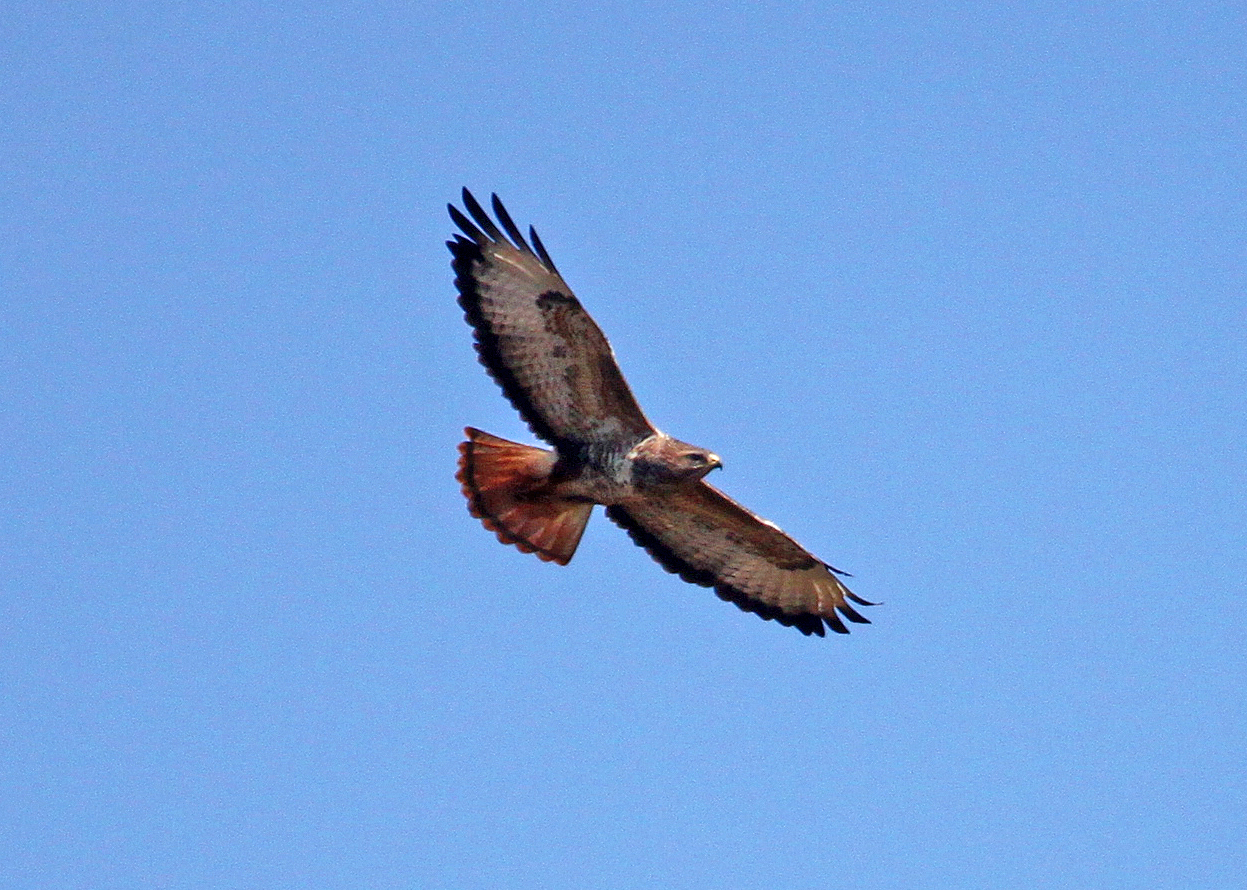
Aberdares montane forests are home to over 200 bird species, making it a must-visit for birdwatchers. The park is best known for its endemics:
Other highlights include forest and moorland specialists that thrive in this unique highland habitat. Birding here can be enjoyed on foot along trekking trails, from a vehicle, or even while exploring the moorlands on horseback.
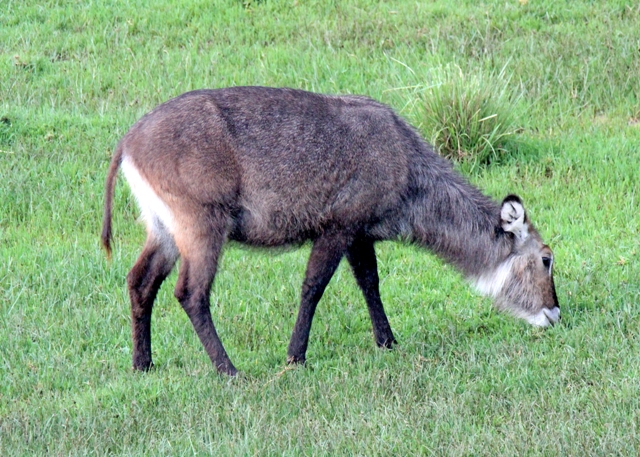
Beyond its birdlife, Aberdare shelters an exceptional diversity of mammals, from large game to elusive forest dwellers:

The Aberdare landscape is defined by steep forested ravines, dense highland forests, moorlands, and open plains. From its ridges and clearings, visitors can enjoy panoramic views of the Great Rift Valley and the snow-capped peak of Mount Kenya. The park is also famous for its spectacular waterfalls. The most iconic is Karuru Falls, Kenya’s tallest waterfall, which plunges an impressive 273 meters down into a lush valley.

The Aberdare ranges feature several scenic peaks popular with hikers:
Visitors can enjoy birdwatching, nature walks, forest treks, trout fishing in crystal-clear streams, horseback riding, camping in the moorlands, or simply soaking in the tranquility of this pristine wilderness.
Birding in Aberdare National Park
Birding in the majestic Aberdare National Park is both rewarding and productive throughout the year. While most birdwatching is done from a vehicle, there are designated areas where walking is permitted. One of the great joys of birding here is the tranquility — unlike other busier parks in Kenya, Aberdare receives less tourist traffic, allowing birders to fully immerse themselves in nature.
The park’s diverse habitats — ranging from dense montane forests to high-altitude moorlands — provide spectacular birding opportunities alongside exceptional wildlife viewing. Its breathtaking scenery sets it apart from other birding regions in the country.

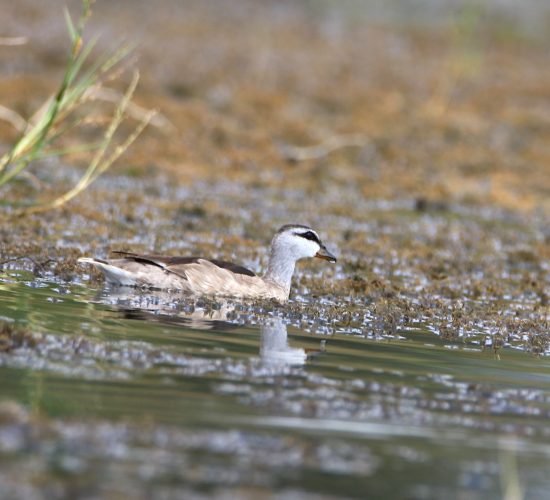
The 3-day birding tour in Amboseli explores a variety of habitats within a rich and exceptionally promising biosphere. Amboseli is one of the best places in Africa to view large herds of savannah elephants, all framed by superb, unobstructed views of Mount Kilimanjaro, Africa’s highest peak.
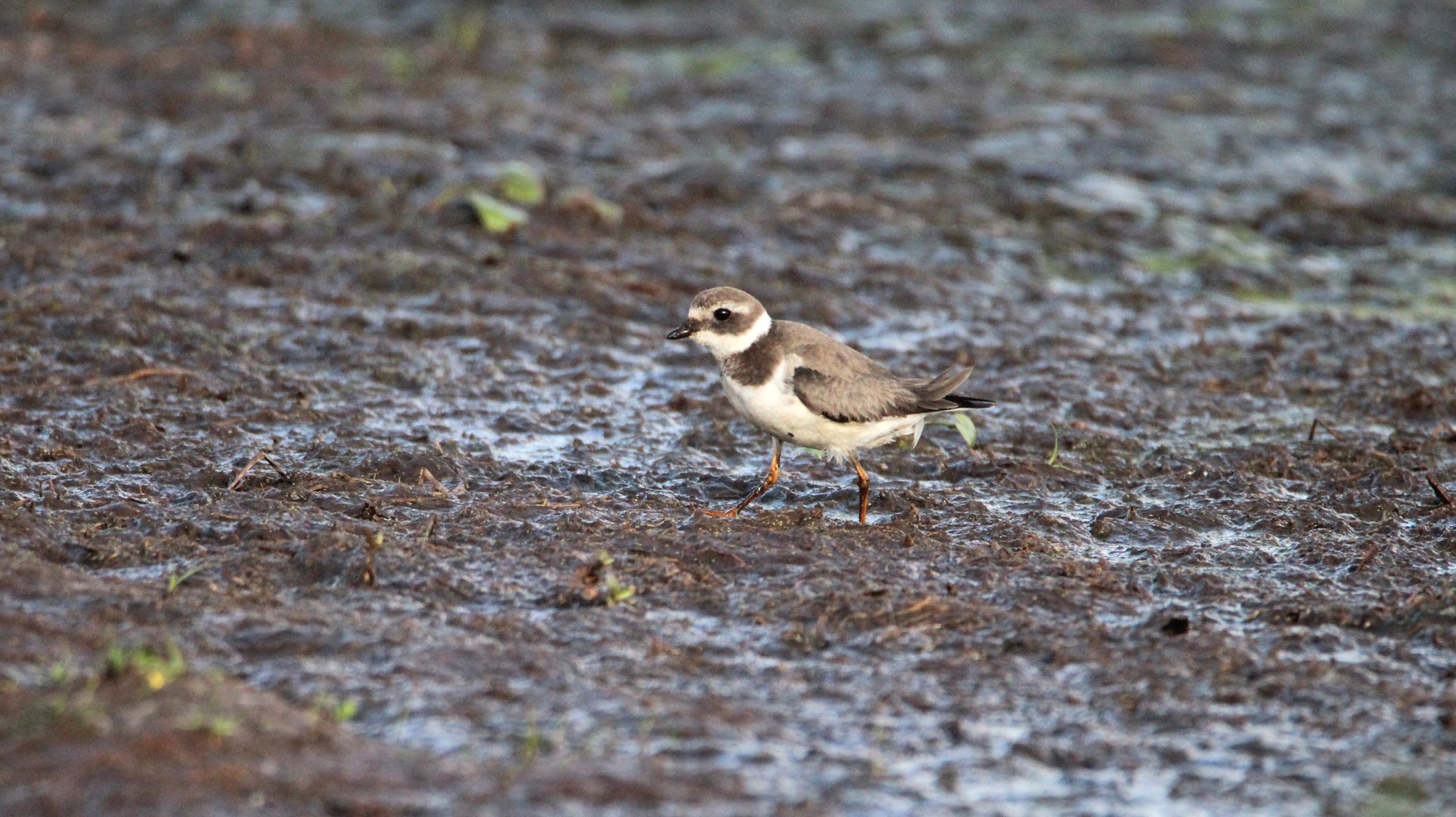
Amboseli National Park boasts one of Eastern Africa’s most striking landscapes, featuring an impressive mix of environments—from the vast, dried-up bed of Lake Amboseli and lush wetlands fed by sulphur springs to open savannas and pockets of woodland. These diverse habitats create an area of outstanding scenic beauty and offer superb opportunities for birdwatching and wildlife photography.
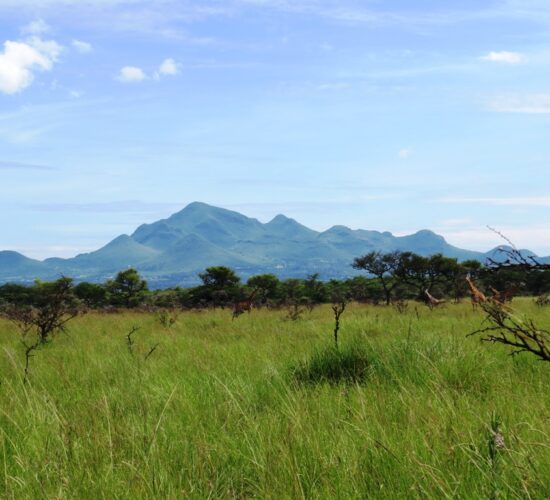
Ruma National Park is a hidden birding gem for nature lovers, birdwatchers, photographers and wildlife enthusiasts, offering a rich diversity of species and some of Kenya’s most picturesque scenery. This delightful birding hotspot boasts a sensational mix of habitats, making it one of the country’s finest birding destinations. It is the best place to spot the rare Montane Blue Swallow and the iconic Roan Antelope, alongside a wide variety of other species. Thanks to its mild climate and natural landscapes, birdwatching in Ruma is productive throughout the year. For an even more rewarding experience, a visit to Ruma can be seamlessly combined with nearby birding treasures such as Lake Victoria, Busia Grasslands, Mount Elgon, Kongelai Escarpment, and Kakamega Forest, forming part of Kenya’s western birding circuit.
