+254 735 204 519 info@conquestadventures.co.ke

Chyulu Hills

0
Send Us An Enquiry
Send Us An Enquiry
Full Name*
Email Address*
Expected Travel Date*
Your Enquiry*
Person*
* I agree with Terms of Service and Privacy Statement.
Please agree to all the terms and conditions before proceeding to the next step
Save To Wish List

Adding item to wishlist requires an account

3128


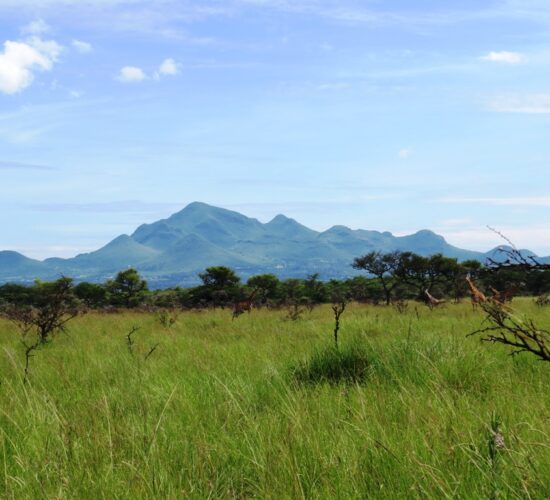
Chyulu Hills birding area forms the northernmost part of Tsavo West, an ecosystem characterized by savannah woodlands, solidified lava flows, and volcanic hills straddling Makueni and Taita Taveta Counties. The narrow arching, 100 km long Chyulu- a chain of small hills and cones, is the world’s newest mountain range, the most recent volcanic peak having been formed 500 years ago

Chyulu Hills Birdwatching

The Chyulu Hills are a captivating range of volcanic mountains in Kenya, renowned for their unique geology, diverse ecosystems, and their critical role as a water catchment area.

Geographical and Volcanic Features

  • Location: A range of volcanic hills rising to a height of 2188 meters, separating the Kibwezi plains in the northeast from the Amboseli ecosystem.
  • Geology: The narrow, twisting,100-kilometer-long chain of small hills and cones is considered the world’s newest mountain range, with the most recent volcanic peak formed 500 years ago. It is still regarded as active, with the last eruption recorded in 1856.
  • Landscape: A “magical land of black frozen lava studded with blazing red-hot poker trees.” The bordering foothills are grass-covered stepped lava flows, sloping from 1500 meters. The upper sections are covered by a thick forest, which is sustained by morning dew and moisture-laden clouds.
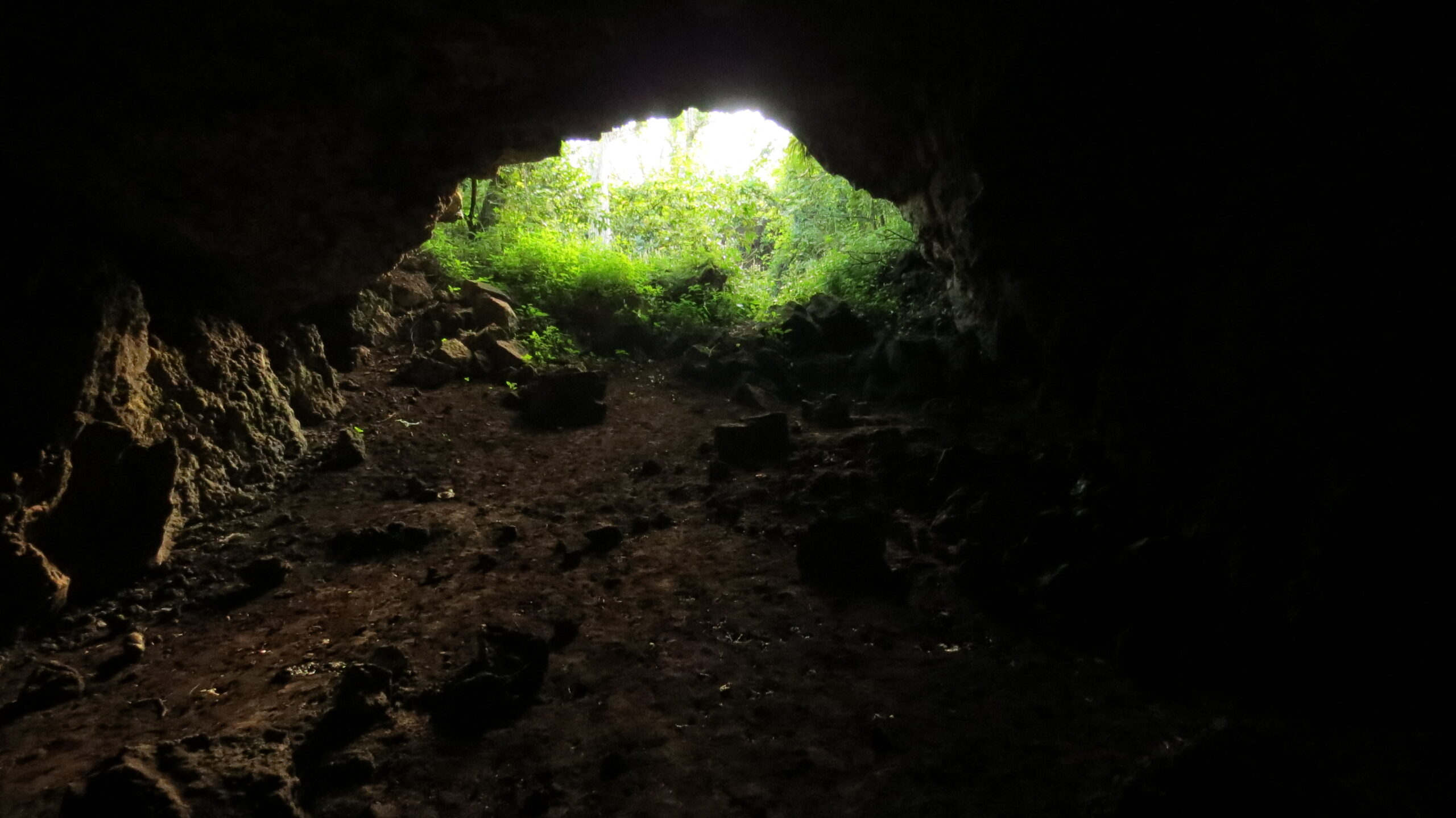
  • Caves: The hills contain lava tubes, locally known as the Kisula Caves (or Leviathan Cave), which are circular passages hollowed out by molten lava. These caves are described as a “natural art gallery” with walls of different colored rocks, sediment layers, stalactites, and rope-like cooled lava formations.
  • Views: From a vantage point, visitors can get fascinating views of the Yatta plateau and the plains of Tsavo East National Park.

Ecology, Wildlife, and Birding

The Chyulu Hills are relatively undisturbed and shelter indigenous vegetation and wildlife.

Mammals: The hills serve as a crucial wildlife corridor, particularly for Savannah Elephants, which use it to migrate between Amboseli and Tsavo West National Parks. Other large mammals found include:

  • Savanna Elephant (large population)
  • Cape Buffalo
  • Maasai Giraffe
  • Plains Zebra
  • Eland
  • Leopard
  • Black Rhino
  • Bushbuck, Mountain Reedbuck, Steenbok, and Bush Pig

Reptiles: The most notable recent discovery is the Chyulu Hills Blade-horned Chameleon, which was “recently seen after nearly 40 years (and rediscovered in April 2018. Other reptiles include the Puff Adder, Black Mamba, and Rock Python.

Birding: The area is a “birder’s haven,” home to rare forest and endemic bird species. Some of the bird species mentioned are:

  • Hartlaub’s Turaco
  • Trumpeter Hornbill
  • Rare Basra Reed Warbler
  • Speckled Moosebird
  • White-eared Barbet
  • Shelley’s Francolin
  • White-starred Robin
  • Ayres’s Hawk-eagle, African Crowned Eagle, and Martial Eagle
  • Vulnerable species like the Southern Ground-Hornbill, Secretary Bird, and Martial Eagle.

Water Catchment and Hydrogeology

The Chyulu Hills are a vital water source for the region.

  • Process: Rainwater percolates into underground reservoirs through the porous rock, undergoing natural filtration for years before permeating through subterranean channels.
  • Watercourses: This water merges with networks from Mount Kilimanjaro and feeds several springs and rivers, including:
  • Mzima Springs: A “flourishing green oasis” 50km away in the Tsavo West National Park, where crystal clear water gushes out of lava rocks.
  • Other Springs: Umani, Kiboko KwaKyai, Masimba Mang’ellete, Kibwezi, and Makindu springs.
  • Rivers (East of the Hills): Tsavo, Galana, Kibwezi Kiboko, Makindu, Thange, Ngai Ndeithia, Mtito Andei, and Kambu rivers.
Chyulu Hills Birdwatching

Notable Birds in Chyulu Hills

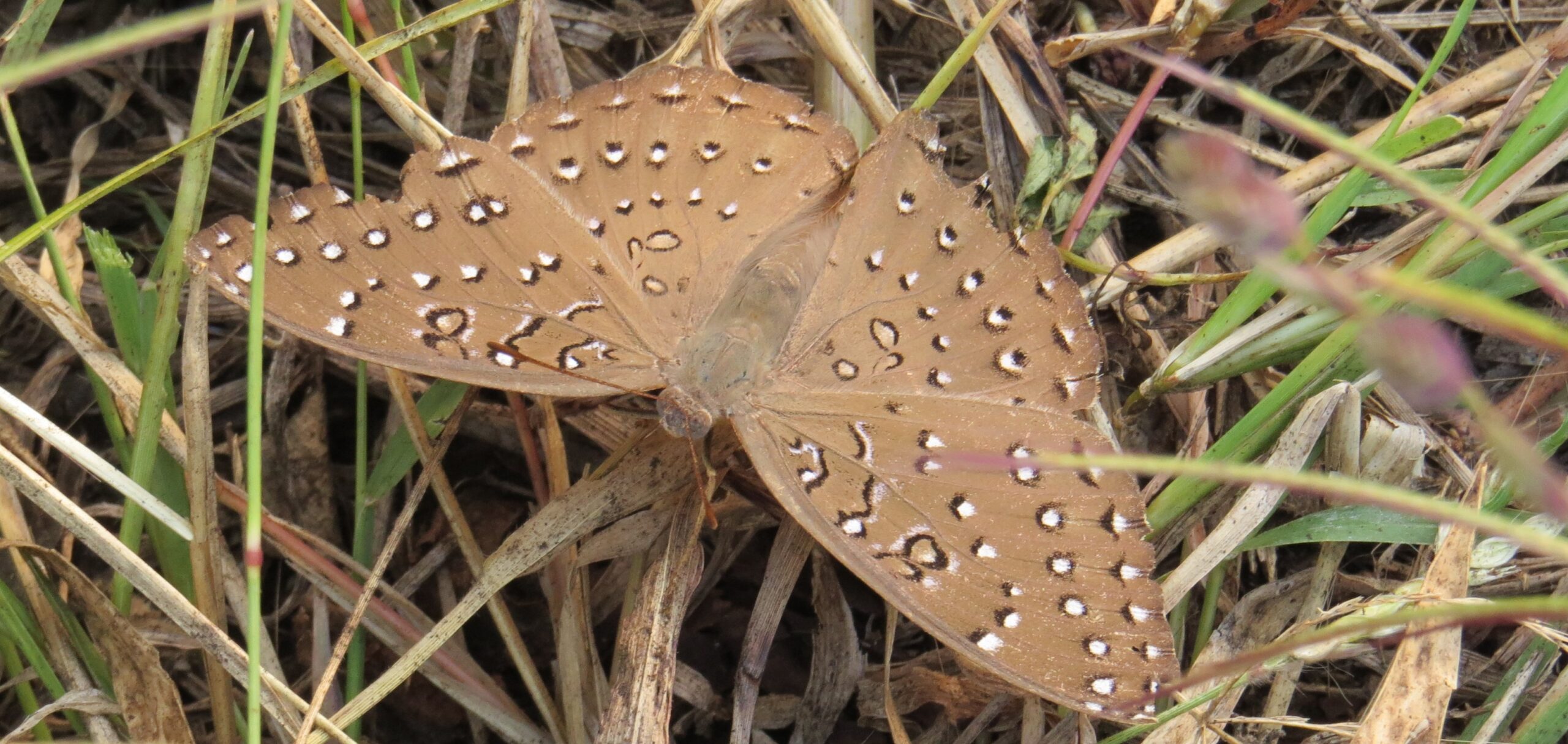
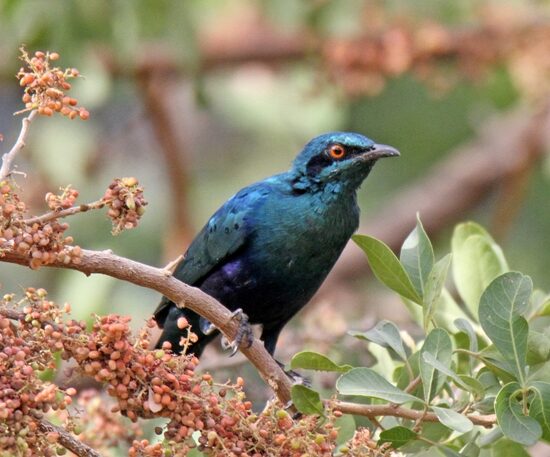
Chyulu Hills is a remarkable destination for birding tours in Kenya, birding trips in Chyulu can be any time of the year. The  Hills are an important feeding point (when forest trees are in fruit) for Abbott’s Starling an endemic species in East Africa, as they move between forests on Mount Kilimanjaro and the central Kenyan highlands Chyulu Hills hold endemic races of Shelley’s Francolin. The Hills boast of a newfound chameleon called the Chyulu Hills Blade-horned Chameleon(considered extinct). Amazing and beautiful butterflies are encountered too while on the Chyulu Hills birding tour

Birds species in Chyulu Hills; Crested Guineafowl, Moorland Francolin, Shelly’s Francolin, Lemon Dove, African Green Pigeon, Purple-crested Turaco, Eurasian Hobby, African Emerald Cuckoo, Alpine Swift, White-backed Vulture, Brown Snake Eagle, African Crowned Eagle, Ayres’s Hawk-Eagle, Martial  Eagle, Black Eagle, Southern Ground Hornbill, Mustached Tinkerbird, Pallid Honeyguide, Eastern Black-headed Batis, Flappet Lark, Mustached Grass Warbler,  White-eared Barbet, Yellow-bellied Eremomela, Stripe-cheeked Greenbul, Mbulu White-eye,  Siffling Cisticola, Long-billed Pipit, Common Buttonquail, Orange Ground Thrush, Abbott’s Starling, White-necked Raven, Peter’s Twinspot, Evergreen Forest Warbler.

eBird Hotspot link

Photos