+254 735 204 519 info@conquestadventures.co.ke

Marsabit National Park

0
Send Us An Enquiry
Send Us An Enquiry
Full Name*
Email Address*
Expected Travel Date*
Your Enquiry*
Person*
* I agree with Terms of Service and Privacy Statement.
Please agree to all the terms and conditions before proceeding to the next step
Save To Wish List

Adding item to wishlist requires an account

2386


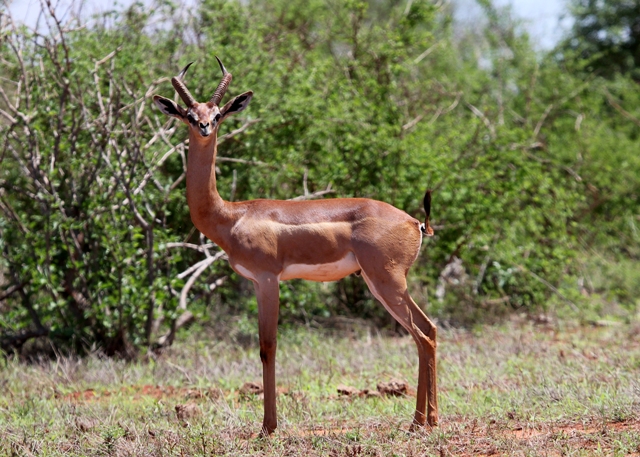
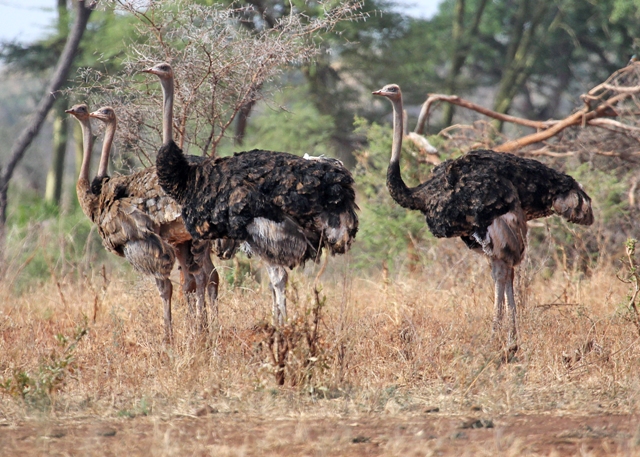
Mount Marsabit is home to around 250 bird species and supports a diverse range of wildlife, including Elephants, Beisa Oryx, Grevy’s Zebra, Bushbuck, Gerenuk, Leopard, Striped Hyena, Greater Kudu, White-tailed Mongoose, Somali Lesser Galago, Olive Baboon, and Cape Buffalo.

Marsabit National Park is also known for its unique plant life, including the rare Marsabit Rose, which is found only within the park. One of its most remarkable features is the Marsabit Mist Forest, a lush forest ecosystem sustained by moisture from condensation associated with the mountain’s persistent cloud cover. The combination of rich birdlife, unusual flora, and diverse wildlife makes Marsabit National Park a fascinating destination for both birdwatchers and nature enthusiasts
Marsabit National Park

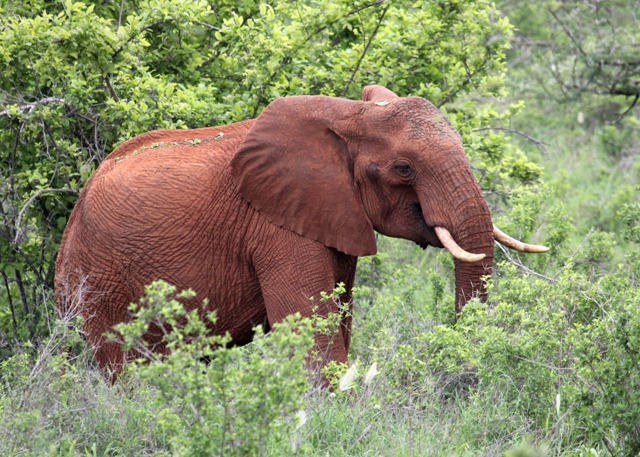
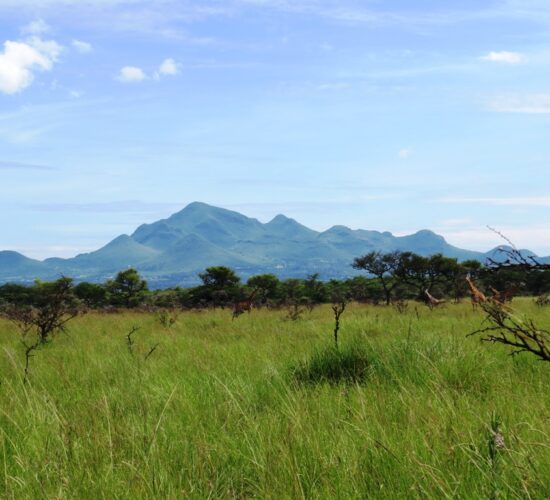
The beautiful Marsabit National Park is a sanctuary for huge tusked bull elephants, diverse birds, and different species of mammals and reptiles. A densely forested mountain and three crater lakes provide a haven for a variety of bird species, mammals, and reptiles, Lake Paradise being one of them. Hikes in the dense forest, wreathed in mist, can be enjoyed along with camel rides, bird watching, and visits to the singing wells. Marsabit National Park was made famous in the 1970s when it was home to many Elephants that were reputed to have the longest tusks in Africa. One of the old Elephant bulls was called Ahmed, who was put under 24-hour surveillance by President Jomo Kenyatta’s decree. When the elephant died in 1974, due to natural causes, aged 55 years, he was found to have tusks weighing over 300 kilograms. The gigantic tusks are preserved in the Nairobi National Museum. The elephant was also fully mounted and displayed. Marsabit Park is still known for its Elephants with their impressive tusks. Marsabit National Park is 560 kilometers from Nairobi, via Nanyuki and Isiolo; the road is now tarmacked up to Moyale town. The Park is an oasis of green in this arid, desert region of Kenya. At the center of the park is an extinct volcano – the height of which creates a micro-climate that supports a huge tract of indigenous forest that in turn supports a wide variety of wildlife. The Montane forest is supplied with water by the thick mist that forms overnight as the hot air rises off the desert and cools. The mist often lingers till late morning. To see this area at its greenest, plan to visit in the rainy season, mid-March to April, and November. Birdwatching safaris are best in the drier months of January through April and June through October. Marsabit National Park is part of the Afro-montane biodiversity, which is similar to the Bale Mountains in neighbouring Ethiopia.

Inside the park, there is Marsabit Lodge, which offers accommodation and food at affordable rates.

Birdwatching Marsabit National Park

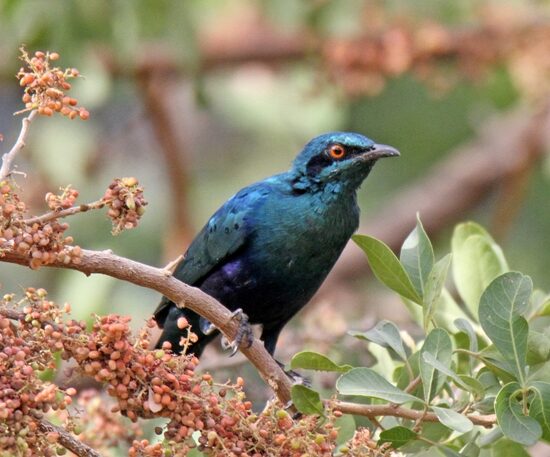
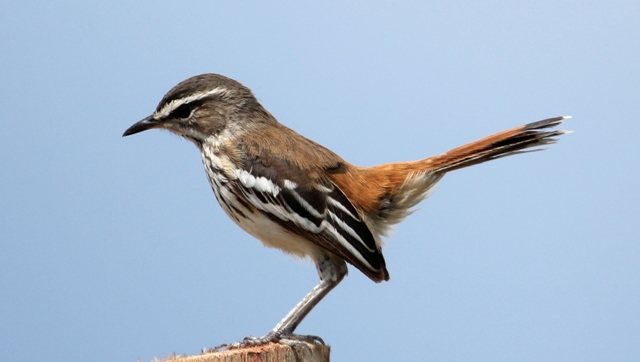
Marsabit National Park is a birder’s paradise. More than 300 bird species have been recorded in Marsabit National Park. Just north of this birdy park lies the black lava Galgalla desert, which is the best place to look for the endemic Williams’s Lark and several near-endemics which include Denham’s Bustard, Somali Bee-eater, Thekla Lark, Masked Lark,  Somali Sparrow, Somali Crombec, and White-crowned Starling. Most of the birds found in Marsabit are restricted to the  Somali-Maasai biome.

The Somali-Maasai regional center of endemism is dry, with rainfall hardly ever exceeding  500 mm a year. Half of the 2500 plant species found are endemic to this biome.

Marsabit National Park Birds notable:

Quail Plover, Somali Crow, Crested Lark, Masked Lark, Friedmann’s Lark, William’s Lark, Somali Courser, Somali Short-toed Lark, Somali Long-billed Crombec, Somali Fiscal, Somali Bunting, Scissor-tailed Kite, Fox Kestrel, Chestnut-headed Sparrow Lark, Greater Kestrel, Long-billed Pipit, White-crowned Starling, Heuglin’s Bustard, Somali Sparrow, Grey-headed Batis, Black-billed Wood-hoopoe, Black-fronted Francolin, Somali Tit, Somali Crow, Shelly’s Starling, Shinning Sunbird, Swainson’s Sparrow

eBird Hotspot link

Marsabit National Park Photos