Imenti forest is an ideal stopover for birdwatchers covering Meru National Park, Samburu, Shaba, and Buffalo Springs in the Northern birdwatching circuit in Kenya
Imenti Forest lies just a 10-minute drive from Meru town and is an extraordinarily rich and diverse ecosystem shaped by its proximity to the foothills of Mount Kenya, Africa’s second-highest mountain. A major highway passes through the forest en route to Nanyuki, offering easy access to this ecological treasure.
The forest serves as an important breeding ground for elephants, which are drawn to its sticky mud — ideal for coating and protecting the delicate skin of newborn calves from insect bites. Imenti is a splendid forest of towering indigenous trees draped in hanging mosses, beard lichens, epiphytic orchids, and lush ferns, creating an almost esoteric atmosphere.
Birding in Imenti Forest is mainly conducted on foot along the roadside, with occasional stops revealing fascinating bird species. The silence is broken only by the flapping of a Silvery-cheeked Hornbill taking flight overhead or the swift scuttle of an Ochre Bush Squirrel up a nearby trunk.
A walk through this forest inevitably leads to an encounter with the iconic Meru Oak tree, a natural monument that dominates the landscape with its massive, remarkably straight trunk and sprawling branches. Known locally as King Muuru (King of Meru Oaks), this ancient giant is estimated to be over 360 years old, making it one of the oldest trees in the Meru region. With a base diameter of 2.7 meters, it takes seven adults holding hands to encircle its enormous trunk.
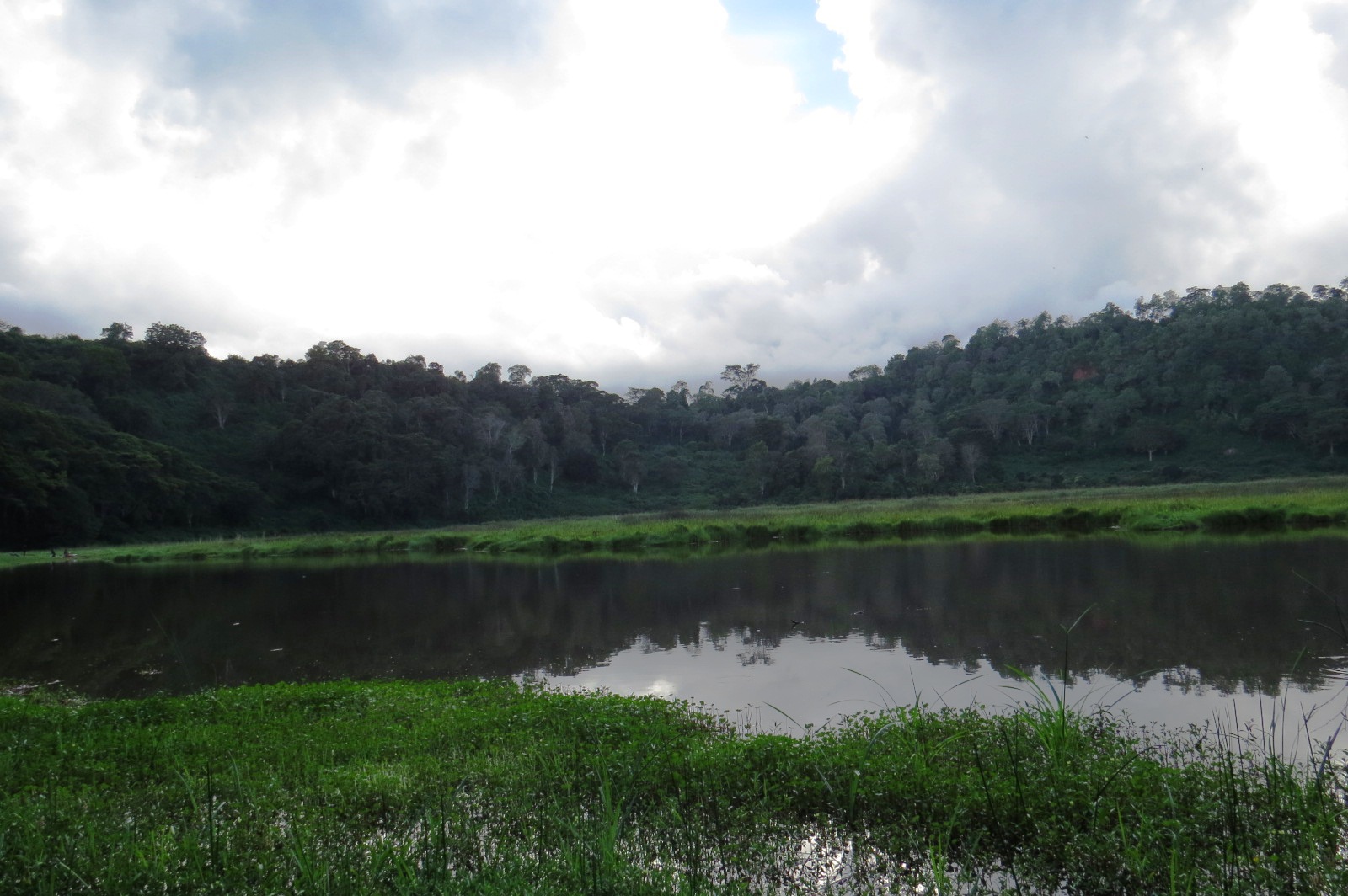
Hidden beneath the dense canopy of the forest lies the once-revered sacred Lake Nkunga, a striking crater lake formed through ancient volcanic activity. Over time, the bowl-shaped crater filled with rainwater, creating a serene and panoramic body of water that has been protected by the local community for generations. Traditionally, the lake was accessible only to rainmakers who visited to appease the gods during times of drought.
According to legend, Lake Nkunga was believed to be the dwelling place of a mystical seven-headed dragon named Nkunga, feared for swallowing anyone who dared venture too close. The creature was thought to guard the water source and protect the forest from deforestation. Folklore further claims that the dragon’s mouth lay in a nearby hill known as Maitei, with its body stretching underground through the lake to the Nyambene Hills.
Today, Lake Nkunga remains an important source of water and fish for the surrounding community, enclosed by thick indigenous forest and dotted with natural springs, adding to its ecological and cultural significance.
Imenti Forest has been in the news recently due to the sighting of Cassin’s Hawk-Eagle, which resembles a mini African Crowned Eagle. The Cassin’s Hawk-Eagle is a true forest species, hunting through the canopy in and out of blotched sunlight, using foliage and the dark and light of the forest to hunt its prey. Most of its habits are little known, as it is an elusive bird. It is thought to hunt tree squirrels and small to medium-sized forest mammals. It is listed as rare to uncommon, and it is generally associated with the rainforests of the Congo Basin from Nigeria to western Uganda, Liberia to Togo, and more recently western Tanzania. In Kenya, there have been countable sightings, with Imenti forest leading in the records, and the other area being Mount Elgon
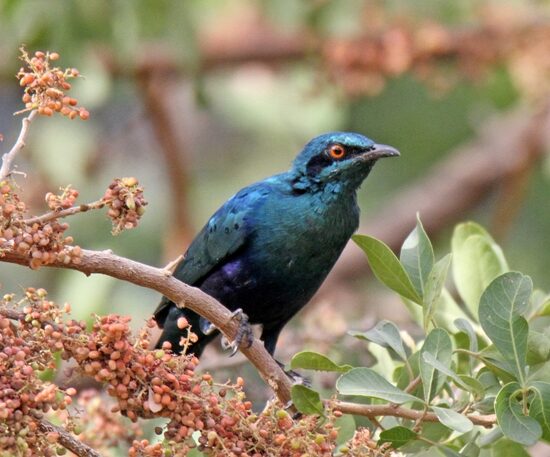
Common Birds Imenti Forest: Mountain Buzzard, African Crowned Eagle, Scarce Swift, Hartlaub’s Turaco, White-eared Barbet, Rameron Pigeon, Mustached Green Tinkerbird, Montane Oriole, African Green Ibis, Kenrick’s Starling, Sharpe’s Starling, Abbott’s Starling, Silvery-cheeked Hornbill, Jackson’s Francolin, Tacazze Sunbird, Scarlet-tufted Malachite Sunbird, Vanga Flycatcher.
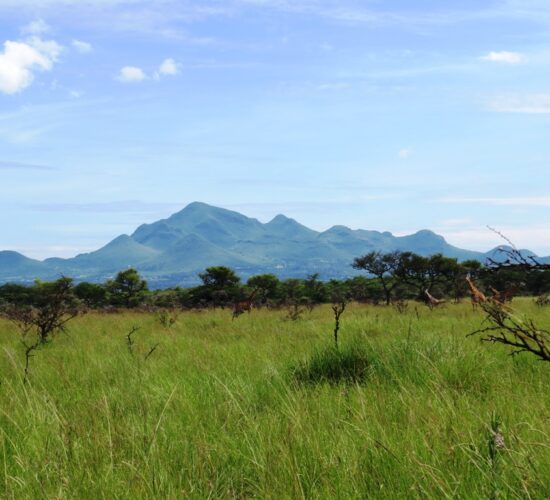
Ruma National Park is a hidden birding gem for nature lovers, birdwatchers, photographers and wildlife enthusiasts, offering a rich diversity of species and some of Kenya’s most picturesque scenery. This delightful birding hotspot boasts a sensational mix of habitats, making it one of the country’s finest birding destinations. It is the best place to spot the rare Montane Blue Swallow and the iconic Roan Antelope, alongside a wide variety of other species. Thanks to its mild climate and natural landscapes, birdwatching in Ruma is productive throughout the year. For an even more rewarding experience, a visit to Ruma can be seamlessly combined with nearby birding treasures such as Lake Victoria, Busia Grasslands, Mount Elgon, Kongelai Escarpment, and Kakamega Forest, forming part of Kenya’s western birding circuit.