

Well look no further, Our 20-day Kenya birdwatching tour itinerary is designed with birding as the focus, but we don’t turn a blind eye to bewildering wildlife, landscapes, people, or photo opportunities. The 20-Day Birding Kenya safari escapade will cover most of Kenya’s top birdwatching destinations, amazing landscapes, and interesting bird species will be encountered. The 20-day birding & wildlife safari in Kenya is a more inclusive trip in this elegantly varied country. Of all the world’s birding holiday destinations, Kenya constantly ranks as one of the most fascinating and exotic country. With so many species spread across breathtaking and wide-ranging habitats is little wonder why Kenya is acknowledged across the planet as a top birding expeditions destination.

The 20-day Kenya birdwatching holiday takes you on an inviting journey through lush montane forests, golden-colored savanna plains, swamps, wetlands lakes, and river estuaries to see some of the most exotic bird species in the world.

Kenya is a splendidly birdy country; the 20-day Kenya birding tour will cover an array of the best birding hotspots in Kenya that support more mega-charismatic and captivating bird species. Additionally, Kenya hosts an impressive list of distinctive mammals, which will be galore in all the places visited. The 20-day Kenya birdwatching tour commence in Nairobi and will cover the following birding destinations; Maasai Mara Game Reserve, Lake Naivasha, Lake Baringo, Kakamega Forest, Lake Nakuru National Park, Solio Ranch, Samburu/Shaba National Reserve, Tsavo West National Park, Taita Hills, Arabuko Sokoke Forest.

Kenya is among the African countries with the highest numbers of bird species, and a magnificent heritage of the big game. On this 20-day Kenya birdwatching tour, we will focus on looking for superb bird species and, big game viewing. You will be treated to a wealth of wildlife! In addition, you can enjoy fabulous food, interesting cultures, friendly people, and a generally enticing atmosphere. We will visit the superb most diverse and richest wildlife areas on the planet.
Our greatest strength is our local guides’ knowledge of Kenya’s birds and birding hotspots. Together, we have discovered new birding destinations, shared exciting bird observations with the birding community, and had enjoyable moments exploring our beautiful country.

The 20-day Kenya birding tour itinerary is ideal both for birdwatchers and those with a general interest in East Africa’s amazing wildlife and photography. Birds will be plentiful, and big game, reptiles, and amphibians will be abundant, including some special rare species that could be easily missed without the expert guidance of our amazing bird guides
Tour Concerns for the 20-Day Kenya Birding Tour
Climate:
Difficulty:
Accommodation:
Food
Travel

Total Bird Checklist for the 20-Day Kenya Birding Tour
Tipping
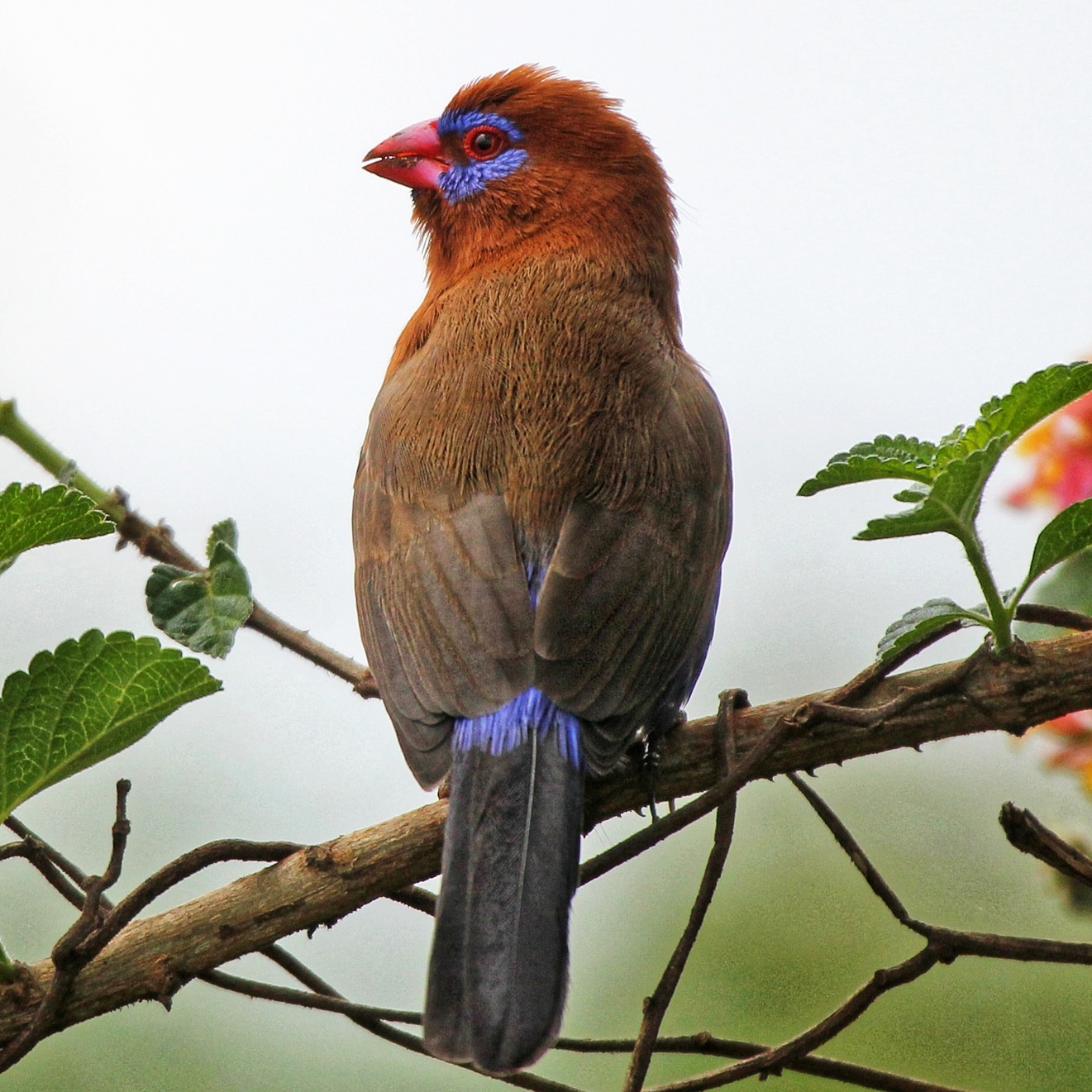
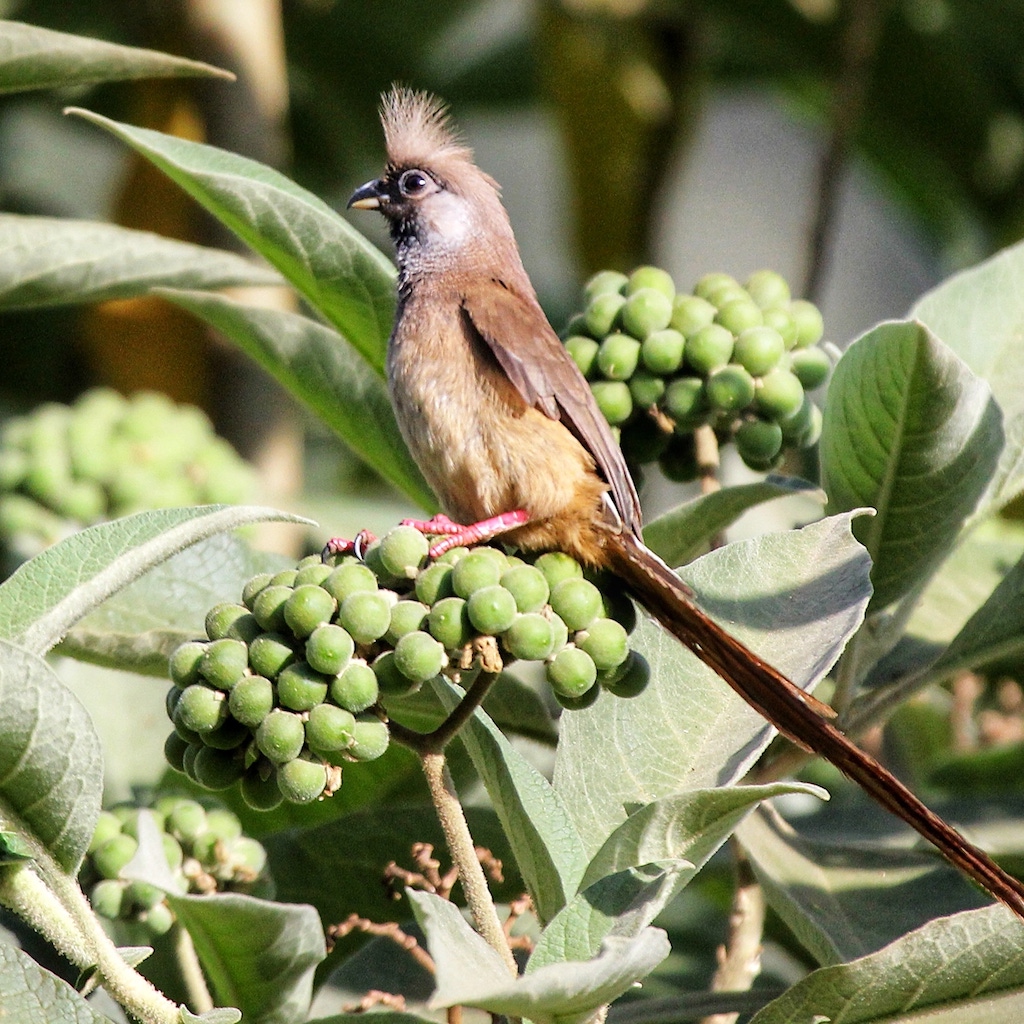
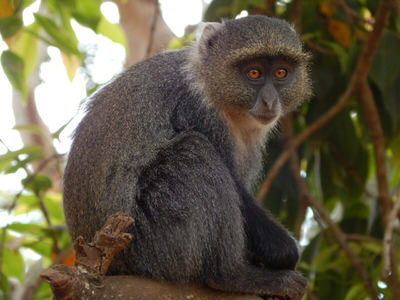
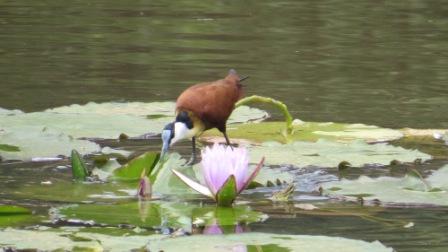
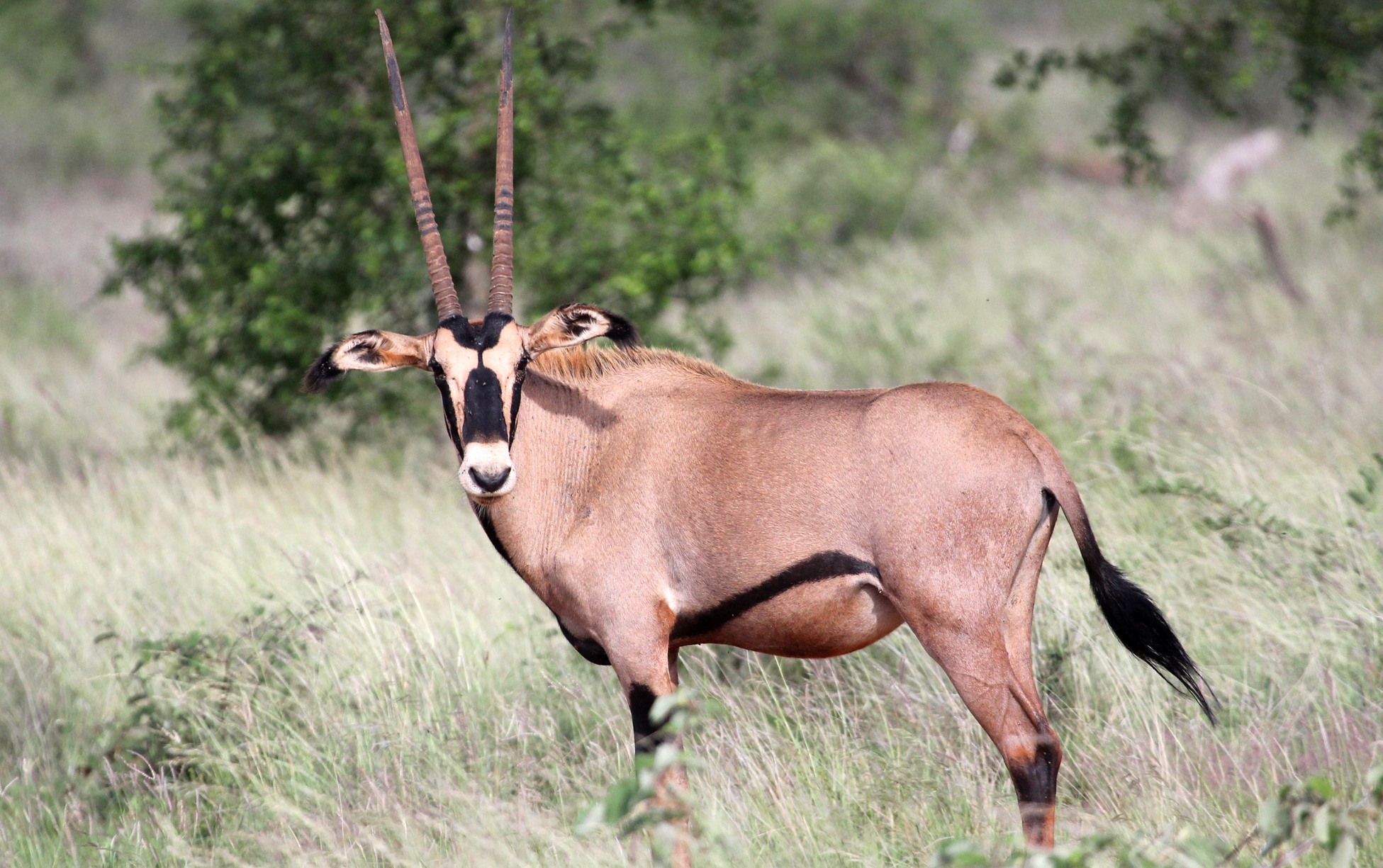
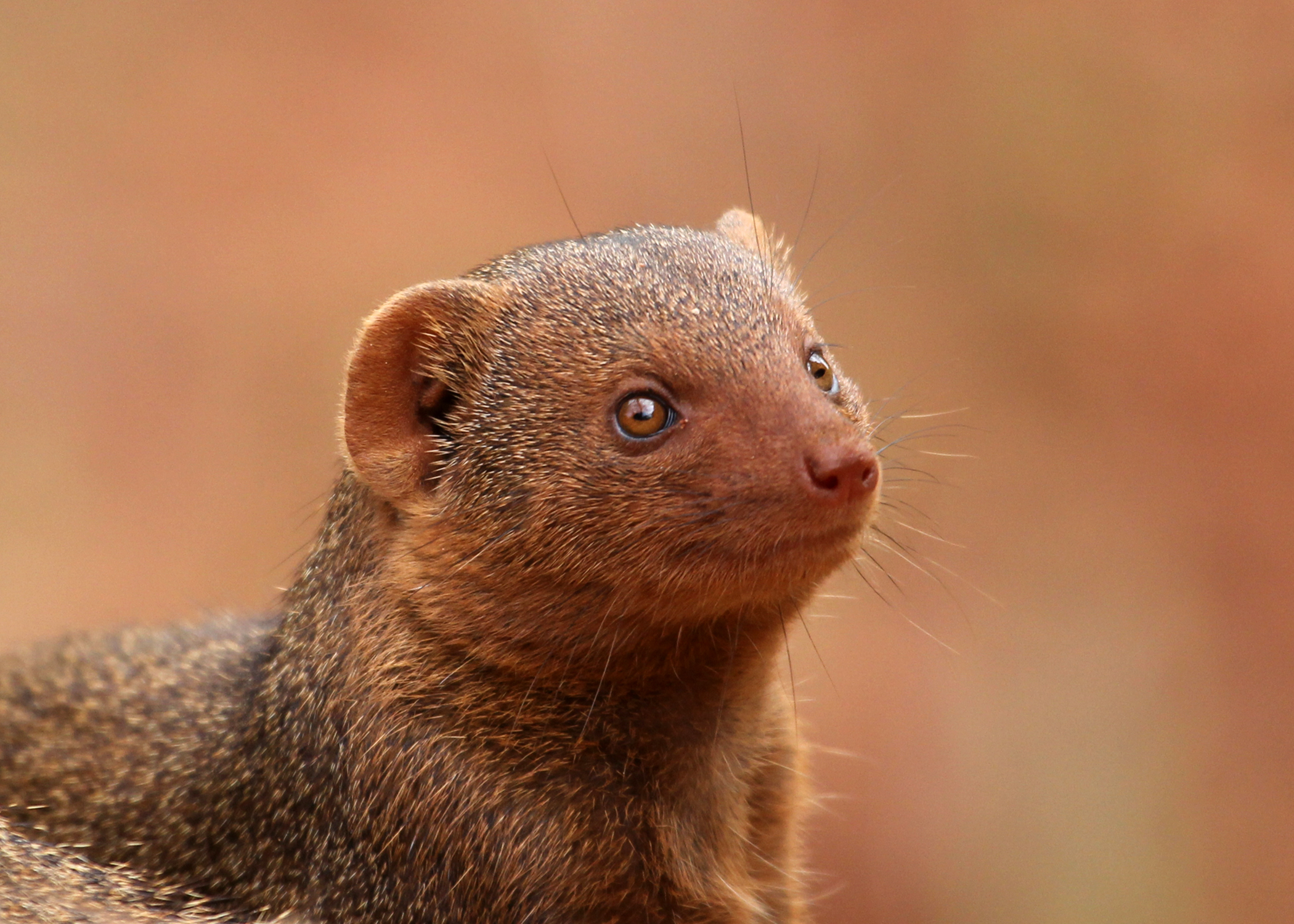
The 20-day Kenya birding begins in Nairobi National Park, a small sparkling birding jewel located only 10 kilometers from Nairobi city. The park hosts some phenomenal birds as well as spectacular mammals such as Chandler’s Reedbuck, Lion, Leopard, Cheetah, Maasai Giraffe, and both Black and White Rhinoceros. Nairobi National Park is a number-one birdwatching destination in Kenya due to its proximity to the capital city and astonishingly high number of bird species recorded, plus its relatively small size. Nairobi National Park has a whooping 500 bird species recorded. On a good birding day, more than 150 bird species may be seen. We shall spend the day in the park, birding across diverse habitats that host different bird species.

Nairobi National Park is primarily characterized by open grass plains dotted with Acacia bushes, though it features a wide range of habitats. This environmental diversity is crucial, attracting a tremendous selection of bird species. As is common in Kenyan parks, walking is restricted, permitted only in specific areas like picnic sites, observation points, and the highly productive Hippo pools nature trails for birdwatching.
Night in Nairobi
We shall leave early morning for the Maasai Mara Game Reserve, with a brief stopover at the viewpoint of the Great Rift Valley, one of the wonders of the world, stretching from Syria down through Africa to Mozambique. Maasai Mara National Reserve is extremely beautiful and offers long, undisturbed views and utterly dramatic panoramas. As for the birding, the Mara is a world-renowned birdwatching destination, with over 500 bird species seen and we will have time in the western and eastern sections of the reserve, both of which support different habitats and therefore noticeably different bird species.

The Maasai Mara is renowned not only for its Big Five but also for its golden-green savannas dotted with Acacia trees, which create an ideal backdrop for birding and photography. The vast skies above the plains are patrolled by a remarkable variety of raptors, ensuring an inspiring and entertaining birdwatching tour. Among the species frequently sighted are the enormous Martial Eagle, the distinctive Bateleur Eagle, the nest-raiding African Harrier Hawk, as well as the Grey Kestrel, Ovambo Sparrowhawk, African Marsh Harrier, African Cuckoo-Hawk, and Western Banded Snake Eagle, making for a truly memorable birding experience.
Night in Maasai Mara
On this day, we shall spend the full day in the vast Mara National Reserve, birding and viewing mammals. Bird-watching is rewarding in the Maasai Mara at any time. The optimum birding season is November to April, as this rainy period attracts migrant birds from Europe and North Africa and stimulates resident species to breed. Meanwhile, the dry season, from June to October, is ideal for general wildlife viewing.

The Maasai Mara, as it is popularly called, is Kenya’s most well-known game reserve, and it boasts an astonishing amount of birds and wildlife. Unfenced, it is bounded in the east by the Ngama Hills, in the west by the Oloololo or Siria Escarpment, and to the south by the vast Serengeti National Park in Tanzania. The celebrated Maasai Mara is the northerly end of the Great Migration, that unrivaled primeval surge of wildebeest, zebra, and antelope that sweeps in from Tanzania’s Serengeti to Kenya’s Maasai Mara as the Tanzanian grass starts to fail. We expect to see first-class African big game and incredible numbers of mammals. The impressive black-maned Mara Lions are possibly the stars of the show; however, Cheetahs, leopards, Spotted Hyenas, Black-backed Jackals, and Serval Cats are present in good numbers. Other mammals we can expect to see include the Maasai Giraffe, Hippopotamus, Impala, Waterbuck, Topi, Coke’s Hartebeest, Grant’s and Thomson’s Gazelles, Common Eland, Bohor Reedbuck, Banded and Egyptian Mongooses, Common Warthog, and massive herds of African Elephant, African Buffalo, Plains Zebra, and Common Wildebeest. Bird species we may find in Maasai Mara Reserve include: Rufous-bellied Heron, Long-toed and African Wattled Lapwing, Black Coucal, Karamoja Apalis, Coqui Francolin, Schalow’s Turaco, White-tailed, Flappet, and Melodious Larks, Rosy-throated Longclaw, Sooty Chat, Pallid, Montague’s and Western Marsh Harriers, Greater, Common, and Lesser Kestrels, Amur Falcon on passage, Northern Black Flycatcher, Trilling, Tabora, Stout, Croaking, Desert, Pectoral-patch and rarely even the rare Black-backed Cisticolas
Night in Maasai Mara
After an early breakfast, we will depart on a final morning game drive in the Mara Reserve before making our way out of this vast wilderness and driving to Lake Naivasha, a freshwater lake, 130 square kilometers in size, located in the Great Rift Valley. Lake Naivasha, the highest lake in the Rift Valley, on a boating safari that promises to lay bare a plethora of the region’s amazing bird life. With Mount Longonot and Eburu Hills standing vigil in the distance.

Lying on the Great Rift Valley floor, Lake Naivasha is a shallow freshwater lake characterized by surrounding Acacia woodland, open grassland, and dense, reed-lined shores. This varied habitat, especially near the Gilgil and Malewa River inlets, supports an abundant and diverse waterbird community, featuring ducks and migrant waders. Adding to the spectacle, African Fish Eagles can be seen and heard, often perched atop the Yellow-backed Acacia trees.
Night in Lake Naivasha
Do a morning boat ride on the main Lake. We shall look for bird species found in Lake Naivasha such as; Horus Swift, Grey-crested Helmet-Shrike, Hildebrandt’s Francolin, Spotted Eagle-Owl, Schalow’s Wheatear, Great-crested Grebe, White-fronted Bee-eater, Lyne’s Cisticola among many waterbirds on the boat ride. Later in the afternoon drive to Kinangop Plateau for the endemic Sharpe’s Longclaw, and other localized bird species such as; Jackson’s, Long-tailed and Red-collared Widowbirds, Levaillant’s, Aberdare, Wing Snapping, Winding, and Hunter’s Cisticolas, and African Snipe
Night in Lake Naivasha
The Kenya birding tour moves on to Lake Baringo. Once we’ve checked into our hotel and refreshed, we’ll immediately begin our birding exploration with an evening stroll right around the lodge, seeking out the region’s distinctive avian specialties.

With the help of the local guide, we shall search for area specialties such as; Northern White-faced & African Scops Owls, Greyish Eagle-Owl, Slender-tailed Nightjar, Three-banded Courser, Brown-tailed Rock Chat, Bristle-crowned Starling, Hemprich’s & Jackson’s Hornbills, Green-winged Pytilia, Red & Yellow Barbet, African Pygmy Kingfisher, Black-headed Plover, Black-throated Barbet, Northern Crombec, Somali Tit, Little, Golden-backed, Northern Masked, Lesser Masked & Black-headed Weavers, Northern Red Bishop, Red-fronted Warbler, Lanner Falcon, Verreaux’s Eagle, Blue-naped Mousebird, Red-fronted Barbet, Pygmy Batis.
Night in Lake Baringo
Our planned activities include a morning walk along the cliffs followed by a search for nocturnal species in the evening. Lake Baringo truly lives up to its reputation as a birding paradise, consistently thrilling birders with its easily spotted species. With over 400 bird species recorded here, it’s possible to log more than 200 species on a single successful birding day.

Night in Lake Baringo
An early morning boat ride to search for the White-back Night Heron, Northern Red Bishop, Lesser Moorhen, Goliath Heron, Northern Carmine Bee-eater, and Senegal Thick-knee, later depart to Kakamega Forest through Kerio valley. We shall have several stopovers along the scenic Tugen Hills and Kerio Valley in search of some localized bird species found in the area such as; the Gambaga Flycatcher, Chestnut-crowned Sparrow Weaver, Mocking Cliff Chat, Boran Cisticola, White-crested Turaco. Lunch will be also in an establishment, where birding is usually rewarding due to its location, at the top cliff, where during the bird migration, you may be lucky to see hundreds of different raptors taking advantage of the thermals from the valley to soar high. The Kerio Valley escarpment rises some 1500 meters above the Rift Valley floor. The valley is bisected by the Kerio River flowing north towards Lake Turkana, with Lake Kamnarok lying on the floor of the valley it hosts more than 600 African Elephants and a huge number of Nile Crocodiles
Night in Kakamega Forest
Morning and afternoon walk in the forest Kakamega Forest is a rain forest easternmost remnant of once continuous forest spreading from the Congo basin to East Africa and Central Africa, the forest has 380 tree species, and 410 bird different species of which 194 species are forest-dependent, two globally threatened bird species are known to occur in Kakamega forest; Chapin’s Flycatcher and Turner’s Eremomela. Birdwatching in Kakamega forest is productive in the morning and late afternoon when the bird parties are actively feeding and singing

Night in Kakamega Forest
Have morning breakfast and, then leave for Lake Nakuru National Park. We shall have a stopover at Timboroa Dam/ Lake Narusha to look for the Lesser Jacana and other interesting water birds that inhabit the dam
Birding in Lake Nakuru National Park is regarded as “the greatest ornithological spectacle in the planet due to the high flock of the finicky Lesser Flamingos which feeds on the blue-green algae abundant in the lake. The acacia woodland around Lake Nakuru is a fine example of this habitat, and we’ll search for bird species such as the Red-throated Wryneck, Arrow-marked Babbler, Hildebrandt’s Francolins, and Grey-crested Helmet Shrike. The park is an excellent birdwatching destination in Kenya with more than 450 bird species recorded
Lake Nakuru National Park is rich in wildlife which includes the Rothschild’s Giraffe, Cape Buffalo, Southern Rock Python, Defassa Waterbuck, Silver-backed Jackal, Eland, Hippopotamus, both Black and White Rhinoceros, Lion, Leopard, Spotted Hyena
Night in Lake Nakuru National Park
Early morning breakfast and check-out from the lodge, we shall drive slowly searching for whatever species we may have missed in our earlier birding session, and later depart to Nyeri with a stop-over in Nyahururu for lunch and short birdwatching around the famous Thomson’s Fall, here we shall look for bird species such as the Slender-billed Starling, African Black Duck, Hunter’s, Cisticola, Golden-winged & Tacazze Sunbirds, Sharpe’s Starling, Silvery-cheeked Hornbill, Scarce Swift, Highland Rush Warbler, Purple-throated Cuckooshrike, Black-throated Wattle-eye, Mountain Yellow Warbler, Savi’s Warbler may be heard calling on the reeds.

Night in Nyeri
We shall have an early morning rise, to go look for the endemic Hinde’s Babbler and localized Cape Eagle Owl and later proceed to Shaba Game Reserve, located just north of the equator in the rain-shadow of Mount Kenya three separate reserves, Shaba, Buffalo Springs, and Samburu protect a combined 40 kilometers square of mountains, plains, savannah, and scrub desert.

Set along the banks of the Ewaso Ng’iro River this stunning wilderness area is not as well-known as other reserves, which offers the perfect opportunity to enjoy the Kenyan wilderness away from the crowds. This remote reserve is probably most famous, among birders, for its populations of the rare and little-known endemic Williams’s Lark.
Williams’s Lark appears to be strongly connected to the lava fields in this part of its tiny range and this will be one of the undoubted specials to find in Shaba. Birding here can also usually be extremely productive and we are likely to see many other beautiful species
Night in Shaba
Shaba is known as one of the most scenically attractive reserves in Kenya, and together with neighboring reserves – Buffalo Springs and Samburu, they boast a unique collection of the game only found in this region, including Reticulated Giraffe, the attractive Grevy’s Zebra, Lesser Kudu, Gerenuk, and Beisa Oryx.

The three reserves are punctuated by the Ewaso Ng’iro River which provides superb riverine woodland habitat that truly stands out from the surrounding dry scrub. Early Morning birding looking for Kenya’s North of Equator specialties namely: Vulturine Guineafowl, Somali Ostrich, Somali Bee-eater, Denham’s Bustard, Stone Partridge, William’s Lark, Donald-Smith’s Sparrow Weaver, Singing Bush Lark, Pink breasted Lark, Somali Crombec, White-headed Mousebird.
Accommodation in Shaba National Reserve
After morning breakfast, we shall spend the morning in search of any species we might still need and then depart to Nairobi. Accommodation will be inside the Swara Plains Wildlife Conservancy, the place teems with both birds and wildlife.

Depending on the arrival time, we shall do birding around the 20,000 hectares of the sanctuary on the many trails. The Swara Acacia Lodge organizes a night drive on request
Night in Swara Acacia Lodge
Early morning drive around the Swara Plains searching for some interesting bird species found in the area which include; the Red-throated Tit( Endemic to Kenya and Tanzania), Brubru, d’Arnaud’s Barbet, Von der Decken’s Hornbill, Short-tailed Lark, Athi Short-toed Lark, White-tailed Lark, Abyssinian Scimitarbill, Orange-breasted Waxbill, African Hoopoe, Lilac-breasted Roller. Also, some sightings of Mammals that migrate from Nairobi National Park; Maasai Giraffes, Impalas, Grant’s and Thomson’s Gazelles, Vervet & Kolb’s Monkeys. Depart to Tsavo National Park afterward. Proceed with the safari towards Kiboko along Mombasa road, where lunch will be served, a nice and amazing area to do birding before the lunch is ready. We shall have around for a couple of minutes, a wetland plus huge fruiting fig trees which attract birds may offer or add new bird species for the tour
Bird species likely to be seen in Kiboko
Giant Kingfisher, Malachite Kingfisher, Pied Kingfisher, Striped Kingfisher, Grey Heron, Black-headed Heron, Retz’s Helmet shrike, African Grey Hornbill, Crowned Hornbill, African Golden Weaver, Grey-headed Kingfisher, Golden Palm Weaver
Entering the Tsavo West National Park in the late afternoon, we’ll make our way through the immense bird and mammal-rich Park, driving slowly as we bird watch/game view the lodge. Over 60 species of mammals occur in the park, including the scarce and elusive Lesser Kudu and African Wild Dog, while Lion, Spotted Hyena, Yellow-spotted Hyrax, Banded and Dwarf Mongooses, Beisa Oryx, and Coke’s Hartebeest are expected
Accommodation in Tsavo West
Have an early breakfast; with packed lunch slowly do birding in the Park, an area worthy of visiting Mzima Springs, where walking/birding on foot is allowed. Tsavo West National Park is one of the excellent places in Kenya for birdwatching. Tsavo ecosystem holds an assemblage of different bird species, the park is home to more than 400 species. Tsavo West National Park is also famous for the annual bird ringing at the Ngulia Safari Lodge with thousands of European and Asian Palearctic migrants on their way south, which happens every year in the months of November and December.
Bird Checklist in Tsavo West National Park; Taita Falcon, Black-bellied Sunbird, Red-billed Buffalo Weaver, Speckle-fronted Weaver, Chestnut Sparrow, Wattled Starling, White-naped Raven, White Helmet Shrike, Rosy patched Bush-Shrike, Slate-coloured Boubou, Taita Fiscal, Beautiful Sunbird, Hunter’s Sunbird, Scaly Chatterer, Rufous Chatterer, Verreaux’s Eagle Owl, Friedmann’s Lark, Bare-eyed Thrush, Fire-fronted Bishop, Northern Brownbul, Straw-tailed Whydah. If times allow we shall drive to Lake Jipe for the Taveta Golden Weaver, Hartlaub’s Bustard, and leopards that hang their prey on acacia trees along the road. Later proceed to Taita Hills
This morning we will have an early start at six on the dot and start the ascending drive to Ngango forest- the second largest forest in the Taita hills. The forest is special in that it hosts all three endemic birds of Taita Hill. The Taita Hills cover an area of 1000 kilometers square and they form the northernmost part of the Eastern Arc Mountains. They are isolated from other mountainous areas to the southeast (Shimba Hills), south (Pare and the Usambara Mountains), southwest (Mount Kilimanjaro), west (Ngulia and Chyulu Hills), and northwest (Kenyan Highlands) by the vast plains of Tsavo National Park

Taita Thrush, Taita Apalis, Taita White Eye, Stripe-cheeked Greenbul, Eastern Bearded Scrub Robin, Placid Greenbul, Narina Trogon, Silvery cheeked Hornbill, Mustached Green Tinkerbird, Pale Flycatcher, Yellowbill, Striped Pipit, Blue-mantled Crested Flycatcher, Evergreen forest Warbler, Golden-tailed Woodpecker, Yellow-throated Woodland Warbler, Hartlaub’s Turaco, Ruppell’s Robin-Chat. Birding in Taita Hills will involve walking quietly inside the forest with the help of an experienced community guide, we shall be relying more on the call and sounds made by the thrushes as they turn the dry leaf litter as they search for food. Afterward, we shall depart for Arabuko Sokoke forest, with a stop-over along the way for lunch.
Accommodation in Watamu
Arabuko Sokoke Reserve covers 420 square kilometers of coastal forest consisting of Brachystegia woodland, dense Cynometra forest, and Afzelia lowland forest that offers some of the finest birding in East Africa. Birding in the forest can be difficult and patience is required to find the shyer forest dwellers. Species of birds to keep an eye for may include; the Green Malkoha, Thick-billed Cuckoo, Mombasa Woodpecker, Scaly-throated and Pallid Honeyguide, Fischer’s and Lowland Tiny Greenbuls, the captivating Little Yellow Flycatcher, Black-headed Apalis, Eastern Nicator, Bearded Scrub Robin, Red-tailed Rufous Thrush, Blue-mantled Crested Flycatcher, Pale and Forest Batis, Retz’s and Chestnut-fronted Helmetshrikes, and the striking Four-colored Bushshrike. Dry trees are preferred roosting for many bird species and definitely worth checking for Green Tinkerbirds, White-eared and Green Barbets, and raptors including Southern Banded Snake Eagle. Flocks of Bohm’s Spinetail and Ethiopian Swallow may be seen soaring overhead while the scarce Forbe’s-Watson’s Swift is another species to watch out for. Along the forest edge, we may find the Fischer’s Turaco, Mangrove Kingfisher, the dazzling Red-throated Twinspot, and the elusive and skulking Scaly Babblers always in small groups, which feed by hopping across the ground.
Accommodation in Watamu
Spend the morning hours in the forest looking for rare birds such as the near-endemic Sokoke Pipit which creep across the forest floor and are hard to see amongst the leaf litter. The exquisite East Coast Akalat a shy undergrowth skulker and other bird species include the endemic and little-known Kilifi Weaver, totally restricted to the East Coast of Kenya Forest, and the extremely localized Amani Sunbird. In the afternoon with the help of the local guide drive to Cynometra forest and the thickets to search for the tiny Sokoke Scops Owl in their roosting trees. On our way back will look for Fiery-necked Nightjar and African Wood Owls which may be encountered feeding on the sides of the nature trails. Mammals we hope to see in Arabuko Sokoke forest include the Blue Monkey, the tiny Blue Duiker, the Golden-rumped Elephant–Shrew, the Caracal, and the African Civet
Accommodation in Watamu
We shall have an early morning breakfast, depending on your flight schedule, and visit Mida Creek. The creek is home to many migratory birds and a crucial protected area for their survival. This makes Mida Creek one of the most cardinal and glamorous natural attractions on the Kenyan coast. Counts of over 6,000 waders have been made on Mida Creek including seven species that are regionally threatened. The mangrove forests around the edge of the creek are also important roosting places. The populations of Greater and Lesser Sandplover and Crab-plovers at Mida Creek are internationally important. Mida Creek is a significant feeding area for Dimorphic Egrets, Lesser Crested, and Roseate Terns. Common migrant shorebirds here include Sanderling, Curlew Sandpiper, Little Stint, Whimbrel, Grey Plover, and Greater and Lesser Sandplover. Birding in Mida Creek is conducted on foot
The tour price includes accommodation, evening meals, breakfast meals, ground transportation, entrance fees, and guide services. International flights, visas, personal expenses, and travel insurance are excluded.
Essential items include a good pair of binoculars, a regional field guide, comfortable walking shoes, weather-appropriate clothing and personal medication.
While not mandatory, we strongly recommend obtaining comprehensive travel insurance covering medical expenses, trip cancellations, and ensuring that you have insurance in place to cover personal belongings
For full terms and conditions, please click here.
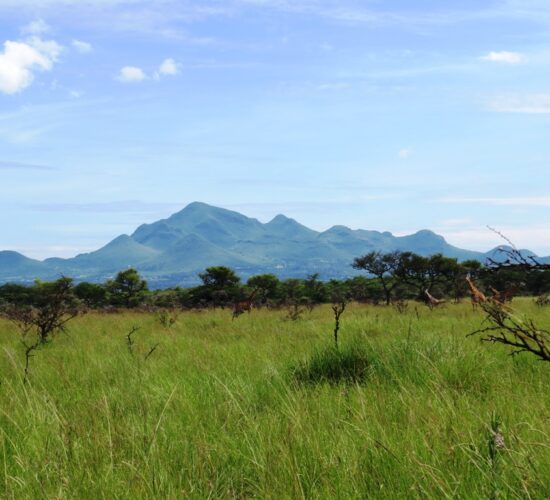
Ruma National Park is a hidden birding gem for nature lovers, birdwatchers, photographers, and wildlife enthusiasts, offering a rich diversity of species and some of Kenya’s most picturesque scenery. This delightful birding hotspot boasts a sensational mix of habitats, making it one of the country’s finest birding destinations. It is the best place to spot the rare Montane Blue Swallow and the iconic Roan Antelope, alongside a wide variety of other species. Thanks to its mild climate and natural landscapes, birdwatching in Ruma is productive throughout the year. For an even more rewarding experience, a visit to Ruma can be seamlessly combined with nearby birding treasures such as Lake Victoria, Busia Grasslands, Mount Elgon, Kongelai Escarpment, and Kakamega Forest, forming part of Kenya’s western birding circuit.

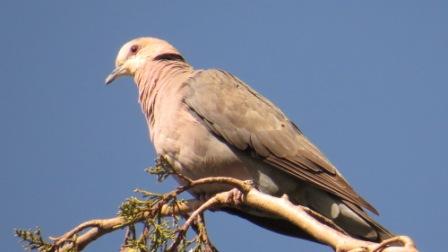
Birding at Paradise Lost, Nairobi
True to its name, Paradise Lost is a serene sanctuary tucked away on the outskirts of Nairobi. This premier birding hotspot offers far more than just exceptional sightings; it is a landscape where rich history meets natural beauty. From its ancient obsidian caves to its shimmering waterfall, the area’s diverse habitats provide a tranquil stage for an impressive array of forest and waterbird species.
Its most famous features are the caves and waterfall, historically used by Mau Mau freedom fighters during Kenya’s struggle for independence. Today, however, the site is celebrated for its wetlands, grasslands, plantations, and forests, which offer superb birdwatching opportunities. Birding here is done entirely on foot, allowing visitors to fully immerse themselves in the landscape while exploring the nature trails, significantly increasing the variety and number of species you can encounter. Also, making it easier to approach birds quietly and get to see many of the birds’ details
Beyond birding, visitors can stop by the on-site coffee factory, where fresh blends are prepared and sold at affordable prices—a delightful bonus to the Paradise Lost experience.
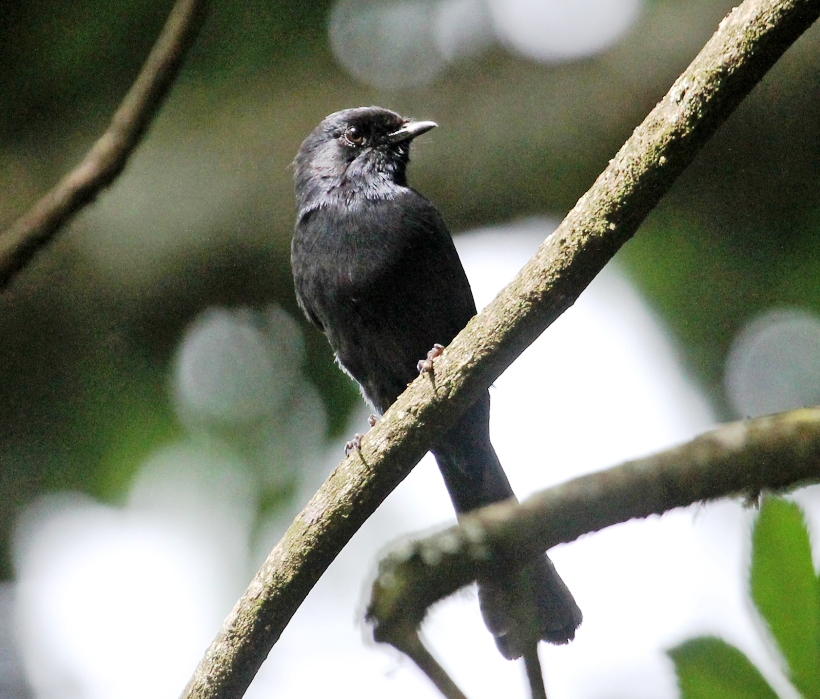
Waterbirds: Little Grebe, Yellow-billed Stork, African Spoonbill, Gray Heron, Great Cormorant, Reed Cormorant, African Darter, Little Bittern, Knob-billed Duck, African Black Duck
Raptors: African Fish Eagle, African Harrier Hawk, European Honey Buzzard, Lanner Falcon, Crowned Eagle, Wahlberg’s Eagle, Long-crested Eagle, Booted Eagle, Osprey, African Goshawk, Augur Buzzard, Eurasian Hobby, White-backed Vulture,
Forest & Woodland Species: Buff-spotted Flufftail, African Green Pigeon, African Pygmy Kingfisher, White-starred Robin, African Yellow Warbler, Grey-olive Greenbul (a rare, range-restricted highlight in Nairobi)
With its proximity to Nairobi, rich history, and diverse birding, Paradise Lost is a must-visit destination for birdwatchers seeking a full-day experience just outside the city.