- Home
- Our Story
- Safaris & Excursions
- Birding Tours-Kenya & Beyond!
- Wildlife Safaris
- Photography Tours
- Guides
- Gallery
- News
- Contact Us
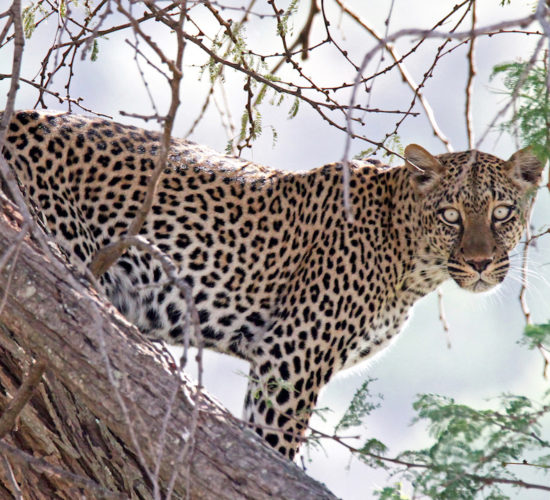
The Loita Hills Forest is home to an extraordinary range of flora and fauna, from elephants to rare bird and plant species. Wildebeests, zebras, and gazelles graze side by side with the Maasai community’s cattle, reflecting a landscape where wildlife and traditional pastoral life coexist in harmony.
Also known as the Loita Naimina Enkiyio Forest, this pristine wilderness stands at an altitude of about 2,300 meters above sea level and covers roughly 33,000 hectares. It lies between the Mara National Reserve, the Serengeti plains, and the western escarpment forests of the Great Rift Valley.
Beyond its biodiversity, Loita Forest holds a special place in Maasai legend and mythology. Among the cultural traditions is the Olorip Olasar ceremony, where the head of an age group must stand beneath an Omatamaio Oleyen (Olive Tree) for an entire night—without moving or even swallowing saliva. Such rituals highlight the forest’s deep spiritual and cultural significance.
Often referred to as one of Kenya’s last true wilderness areas, the Loita Hills remain largely untouched and rarely visited. This isolation has helped preserve one of the most traditional Maasai cultures. The trekking route usually begins at Morijo and ends in Nguruman, about 40 kilometers from Lake Magadi.
The weather here is generally pleasant, ensuring rewarding birding and travel experiences. The landscape is diverse—ranging from forests and plains to marshes, rivers, and woodlands—making it both scenically enchanting and ecologically rich.
Rameron Pigeon
Delegorgue’s Pigeon
African Green Pigeon
Hartlaub’s Turaco
Klaas’s Cuckoo
Narina Trogon
White-headed Woodhoopoe
African Crowned Eagle
Mustached Tinkerbird
Red-fronted Parrot
Black-fronted Bushshrike
Chestnut-throated Apalis
Eastern Mountain Greenbul
Abyssinian Ground Thrush
Black-tailed Oriole
Black-throated Wattle-eye
Mosque Swallow
Grey-headed Nigrita
Brown-headed Apalis
Southern Citril
Brown-backed Woodpecker
Red-throated Wryneck
Usambiro Barbet
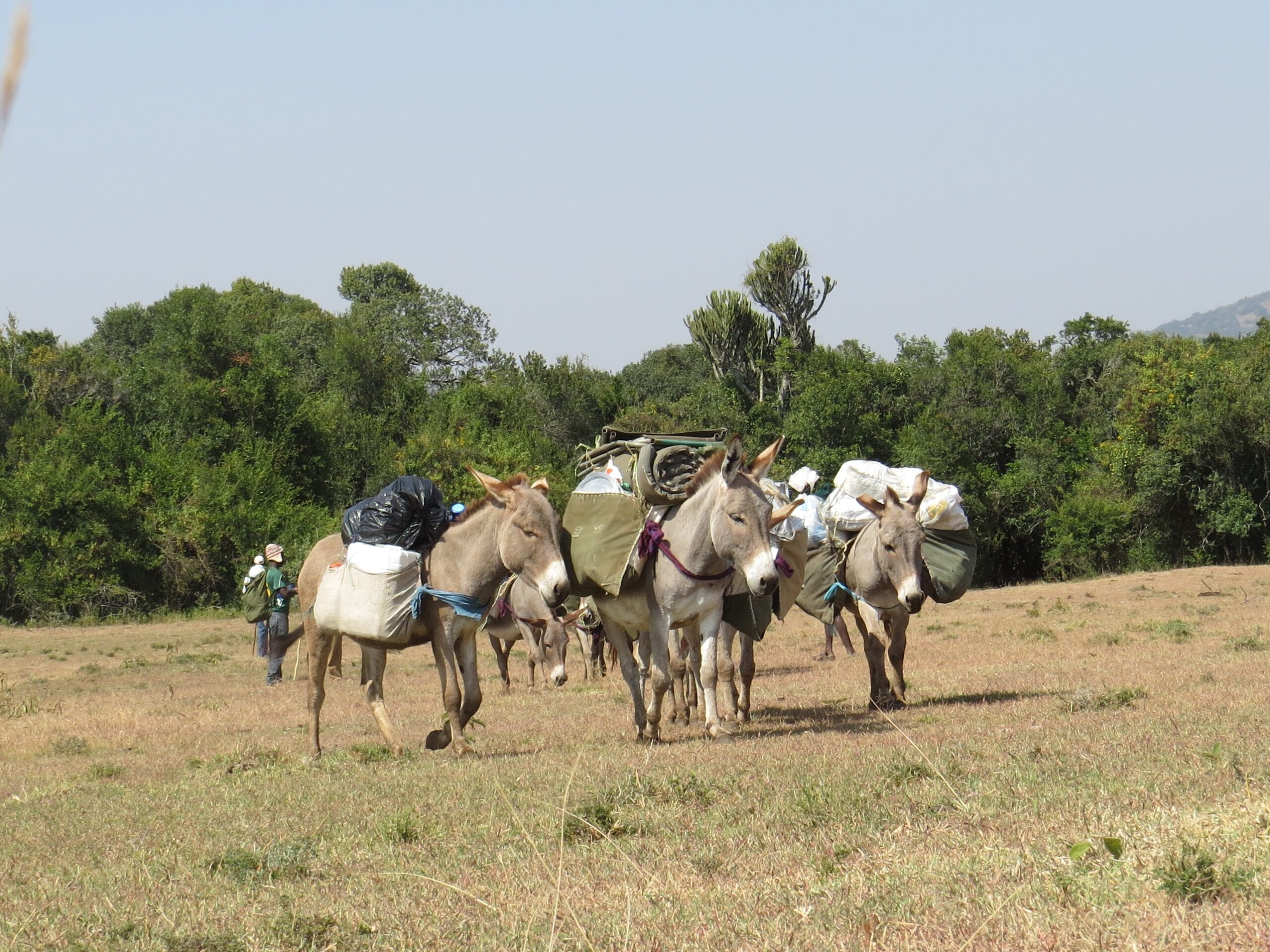
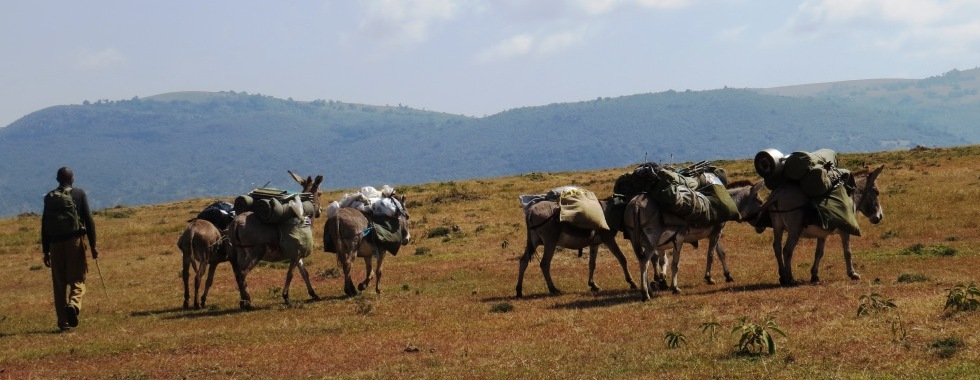
Donkeys will be used to carry lightweight luggage throughout the four-day trek.
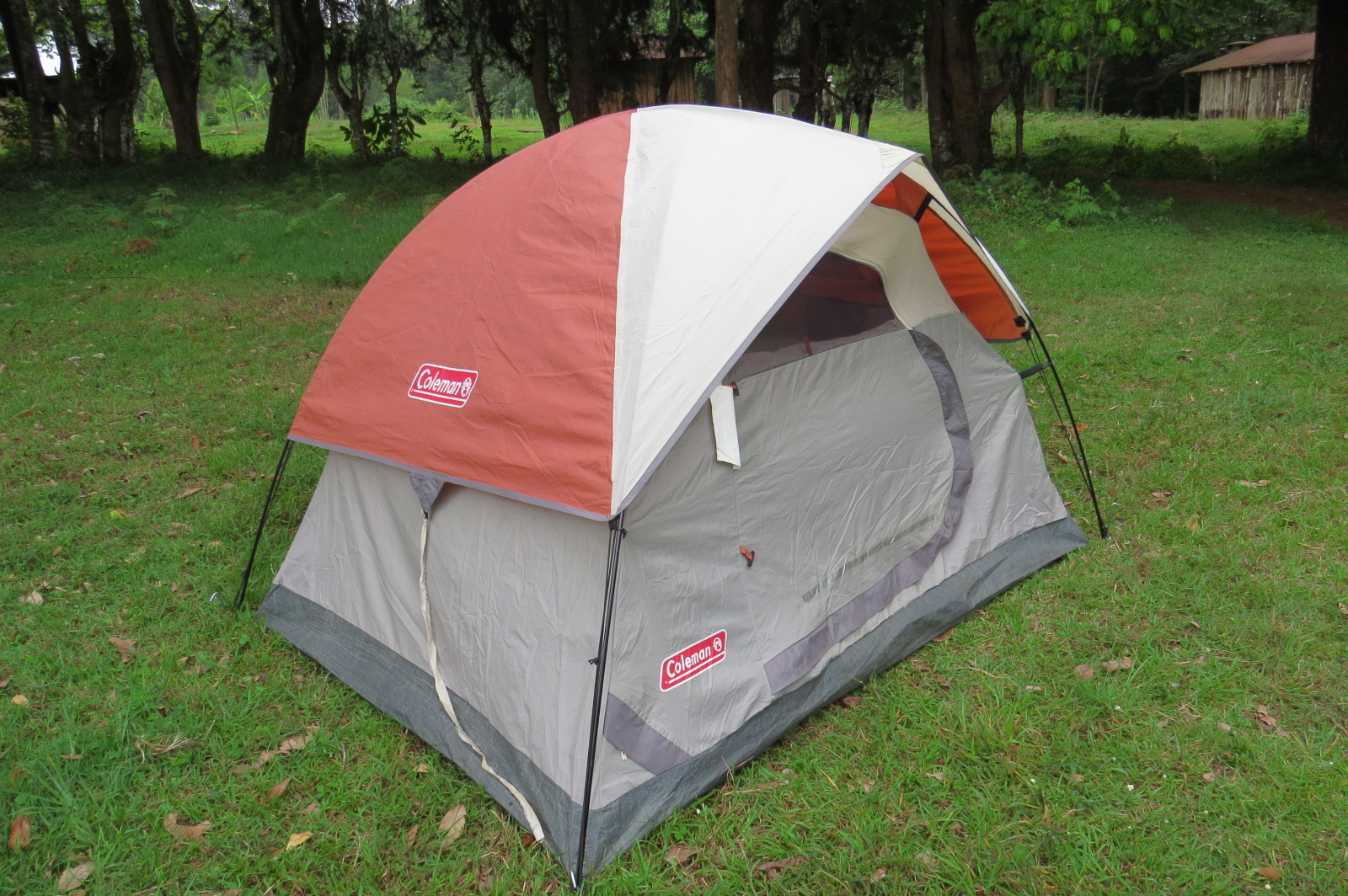
Facilities are basic – expect minimal showering, long-drop toilets, or bush options.
Lunch will typically be simple sandwiches, enjoyed during a one-hour break on the trail.
Campsites are community-owned; local Maasai act as guides, porters, and security.
On the first and last day, long hours of driving should be expected.
Head torch (essential for evenings and night use)
Personal effects & toiletries
Drinks of your choice (wine, beer, whisky, etc.)
Personal water container
Sleeping bag or warm sheet
Comfortable walking shoes
Insect repellent
Camera and binoculars
Spare batteries or power banks (no electricity along the trek)
Basic medication and painkillers
Your Loita Hills adventure begins with a 7:00 am pick-up from your Nairobi hotel or directly from the airport. From there, enjoy a 5–6.5 hour drive to the Loita Hills Forest, with a scenic stop at the Great Rift Valley viewpoint for breathtaking panoramas and photo opportunities. By the end of the day, you will arrive at Morijo, on the edge of the forest. Here, we’ll set up camp, settle in, and begin preparing the evening meal as you soak in the peaceful atmosphere of the hills — the perfect introduction to this unique wilderness experience.
After an early breakfast, we break camp and begin our Loita Hills trek through the enchanting montane forest. The trail winds through thick cedar stands interspersed with open glades — perfect spots to pause and bask in the sunshine on natural lawns. Along the way, expect to encounter a fascinating variety of birds, plants, and wildlife, making every step full of discovery.
Lunch will be a relaxed picnic beneath the shade of a towering forest giant, surrounded by the sounds of nature. Because of the pristine and untamed nature of Loita Forest, we follow different routes each day — sometimes along existing animal trails for a few hours, other times through denser, untouched forest. The terrain is remote and ever-changing, adding to the sense of wilderness exploration.
Loita Hills is truly a special place — lush hills draped in cedar and fig forests, rich in traditional medicinal plants and Maasai cultural significance. Before it gets dark, we arrive at Ngiwan, where camp will be set for dinner and overnight after approximately five hours of walking
The trail descends into the heart of the Loita Montane Forest, weaving alongside a long meandering swamp. Along its banks, the serene silence is often broken by the echoing calls of Guereza Monkeys, leaping gracefully between the treetops at the swamp’s edge.
The path then returns beneath the thick canopy, before occasionally opening into sunlit clearings scattered with striking boulders that rise from the earth. From one of these vantage points — the highest peak in Loita Hills at 2,400 meters — breathtaking views unfold: the snow-capped Mount Kilimanjaro in the distance, the sacred Ol Donyo Lengai volcano in Tanzania, and the rugged Shompole Hill to the south along the Nguruman Escarpment. By late afternoon, we reach Esoit Neigero campsite after a rewarding 4.5-hour walk, ready to settle in for dinner and a night under the stars.
The trek continues past Maasai villages, where the trail gently winds up and down the Loita Hills. Along the way, the landscape transforms steadily — from lush equatorial forest to more open dryland vegetation. Even the soil changes in texture and color, reflecting the descent from the cool high elevations of the Loita Hills to the warmer, moderate heights of the Nguruman Escarpment. A highlight of the day is a stop at a picturesque waterfall, where you may enjoy a refreshing swim in the crystal-clear waters of the Entosopia River.
By nightfall, we settle at Entosopia Campsite, dramatically perched on the edge of the escarpment. From here, you’ll be rewarded with sweeping views across the Rift Valley, including Lake Magadi, the winding Ewaso Nyiro River, and the distant silhouette of Mount Olorgesailie. The day’s trek is about 4 hours.
After an early breakfast, we break camp and set off at 06:00 hrs for the final descent down the Rift Valley escarpment. The trek takes about 5 hours, ending at Entosopia town around 09:00 hrs, where our vehicle will be waiting. From here, we drive back to Nairobi via Lake Magadi, with a stop for lunch along the way. Expect to arrive in Nairobi by around 6:00 pm, marking the end of this remarkable Loita Hills trekking adventure.