
Saiwa National Park is a vibrant oasis with tranquility and natural abundance in northwestern Kenya, forming an essential part of the Western Kenya Birding Circuit, together with Mount Elgon, Kongelai Escarpment, Kakamega Forest, Busia Grasslands, Cherangani Hills, and Mount Mtelo.
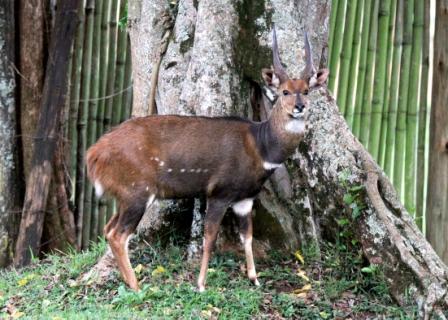
Initially established to protect the rare swamp-dwelling Sitatunga Antelope, Saiwa remains one of the few places in Kenya where this elusive antelope can still be seen. The park is small but remarkably diverse, combining swamp, forest, and grassland habitats that attract a rich variety of birdlife.
Birders can explore the park via a raised wooden boardwalk that meanders through the forest and across the swamp. Along the trail, four elevated observation hides offer excellent vantage points to spot Sitatunga, monkeys, and a range of forest and wetland bird species. Conveniently located about 25 kilometers north of Kitale on the road to Kapenguria, Saiwa is a peaceful retreat and a rewarding stop for birdwatchers exploring western Kenya.
Saiwa Swamp National Park, though Kenya’s smallest national park, is a remarkable birdwatching gem. Over 370 bird species have been recorded here, making it a rewarding all-year-round birding destination.
The park offers an intimate birding experience — no vehicles are allowed, and visitors explore on foot along tranquil forest trails, allowing for quiet encounters with birds and wildlife. Elevated viewing platforms around the marsh provide excellent vantage points for spotting both wetland and canopy species, as well as the park’s flagship mammal — the rare Sitatunga antelope, a shy, swamp-dwelling species found in few other places in Kenya.
Saiwa is particularly known for its western Kenya specialties, including the fabulous Ross’s Turaco and the secretive Grey-winged Robin-Chat. The early morning hours are the most productive for birding, as bird activity tends to slow down in the afternoon.
The park’s lush vegetation, coupled with its mix of swamp, woodland, and forest habitats, supports an outstanding diversity of species. However, the months from April to August are the wettest, and frequent showers may occasionally interfere with birding activities.
Dwarf Bittern, Western Reef Heron, Goliath Heron, African Fish Eagle, African Marsh Harrier, Bat Hawk, Wahlberg’s Eagle, Allen’s Gallinule, African Green Pigeon, Ross’s Turaco, Blue-headed Coucal, Narina Trogon, Abyssinian Roller, Mustached Green Tinkerbird, Slender-billed Greenbul, Grey-winged Robin-Chat, African Thrush, White-browed Crombec, Black-throated Apalis, Black-throated Wattle-eye, African Blue Flycatcher, Yellow-billed Shrike, Marsh Tchagra, Bronze Starling, Heuglin’s Masked Weaver, Hartlaub’s Marsh Widowbird, and Black-bellied Seedcracker.
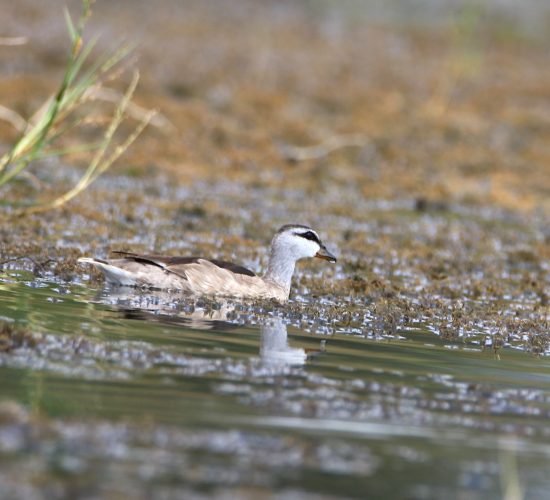
The 3-day birding tour in Amboseli National Park explores a variety of habitats within a rich and exceptionally promising biosphere. Amboseli National Park is one of the best places in Africa to view large herds of savannah elephants, all framed by superb, unobstructed views of Mount Kilimanjaro, Africa’s highest peak.
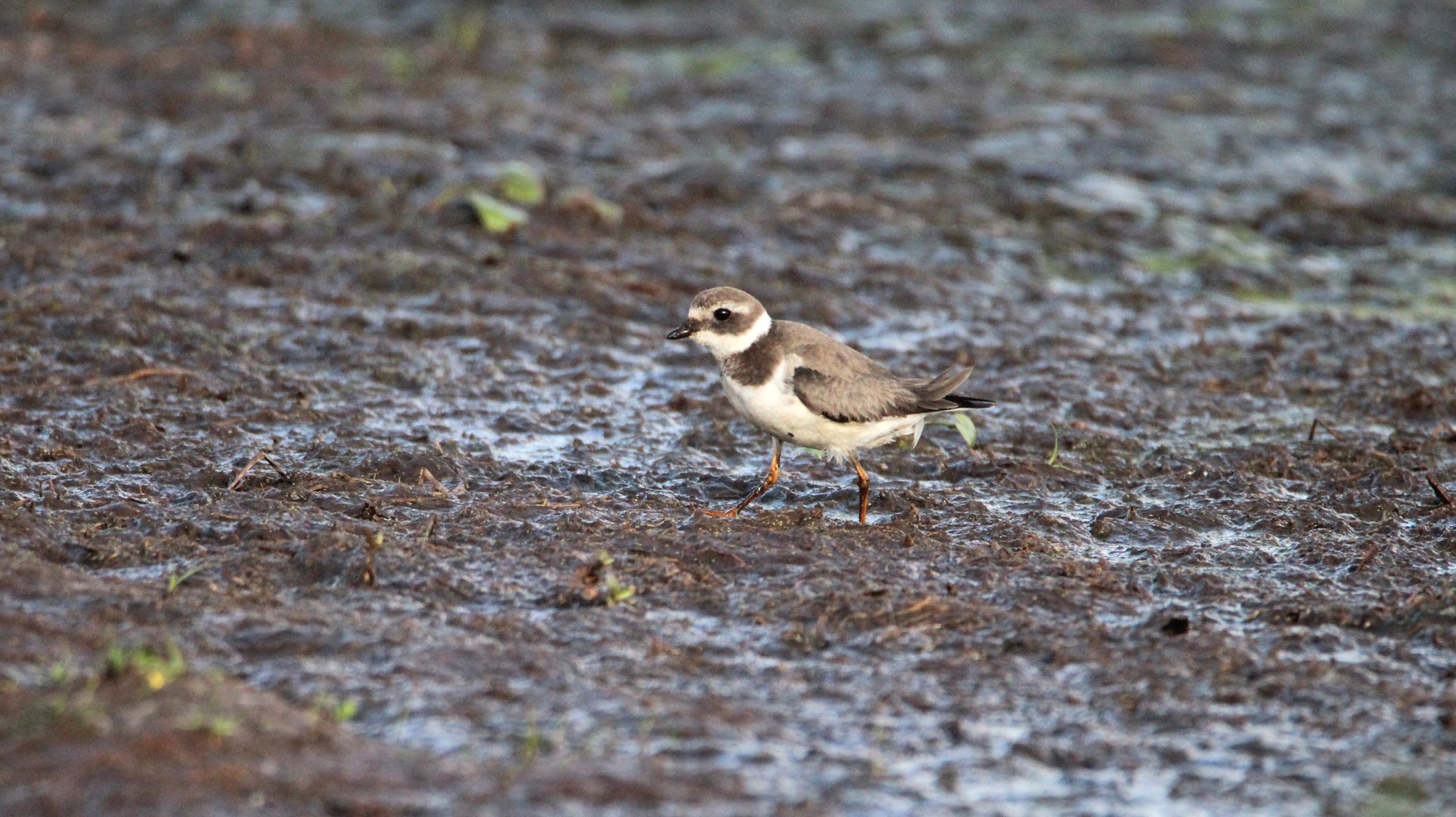
Amboseli National Park offers some of East Africa’s most iconic scenery, where arid lakebeds and golden savannas contrast sharply with lush, spring-fed wetlands. This remarkable ecological diversity makes the park a premier destination for world-class birdwatching and close-up wildlife encounters—all set against the majestic backdrop of Mount Kilimanjaro.
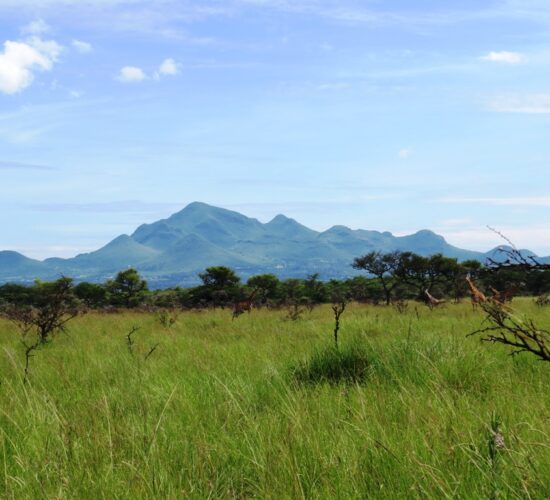
Ruma National Park is a hidden birding gem for nature lovers, birdwatchers, photographers, and wildlife enthusiasts, offering a rich diversity of species and some of Kenya’s most picturesque scenery. This delightful birding hotspot boasts a sensational mix of habitats, making it one of the country’s finest birding destinations. It is the best place to spot the rare Montane Blue Swallow and the iconic Roan Antelope, alongside a wide variety of other species in Kenya. Thanks to its mild climate and natural landscapes, birdwatching in Ruma is productive throughout the year. For an even more rewarding experience, an adventure to Ruma National Park can be successfully combined with nearby birding treasures such as Lake Victoria, Busia Grasslands, Mount Elgon, Kongelai Escarpment, and Kakamega Forest, forming part of Kenya’s western birding circuit.
